
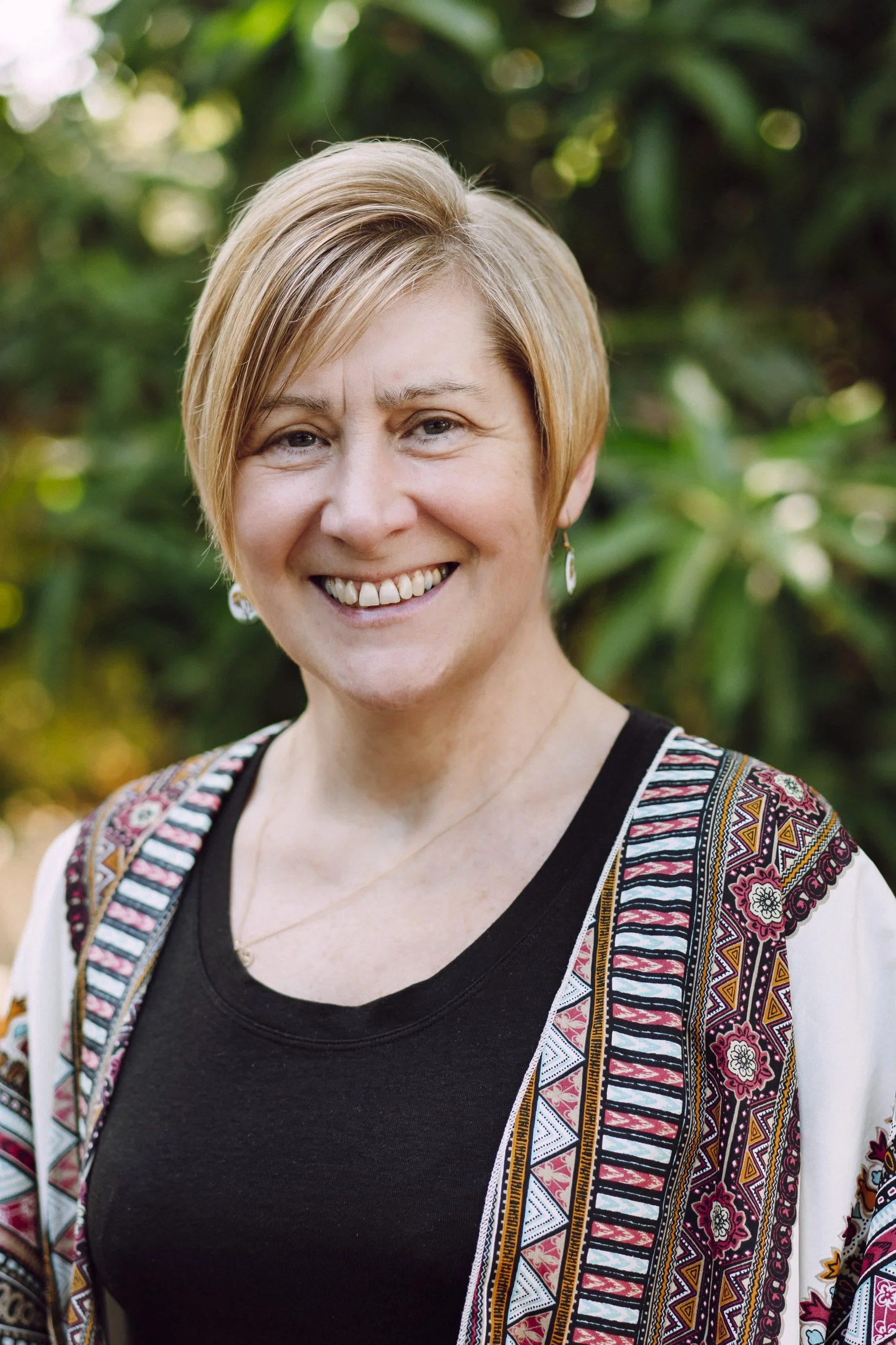
Peeple Supports Parents, Carers, Babies and Children to Learn Together
“I think my messages would be around – ‘You do not have to do this alone’. Connection is protective and, in a Peep, or playgroup setting, you will find understanding, reassurance and practical ideas.”
Liz Ersoy grew up in Goole, North-East England. Goole was a proud, working-class town shaped by docks, railways, engineering and manufacturing. Liz remembers people living on the same streets for generations. Opportunity could feel limited.
“The 1980s were particularly tough, said Liz, “the decline of industry brought strikes, redundancies and real hardship. I grew up with my mum, dad and older brother in a community that knew how to pull together when times were hard.”
A personal experience had an indelible impact on Liz. It sharpened her awareness. She became acutely aware to listen carefully to children, to pay close attention to their behaviours and signs of distress.
As life went on and the seasons changed, Liz had the drive to influence best practice in the early years at a systems level. She freelanced as a trainer at the Peeple charity, which focuses on supporting parents, carers and children to learn together. Through the evidence-based Peep programmes, families traversing the early years are acknowledged for the great work they are already doing and are bolstered to seize more opportunities to develop alongside their child.
One stepping stone led to the next and Liz headed to the highlands, becoming a policy officer in Scotland and then a project manager after securing funding from the Scottish Government for a national initiative.
Liz is soon to be in Australia for the second time, sharing her insights at the Playgroup Conference.
We spoke with Liz ahead of her visit to learn more about the programs at Peeple, its role in partnership with playgroups and the importance of the relationships we keep, from birth onwards.
What are the core things that support the wellbeing of a family unit in the early years of a child’s life?
I believe that secure relationships, social support, financial stability, parental wellbeing and a sense of belonging are core. When parents feel supported and not isolated, their capacity for responsive caregiving strengthens. Kindness, trust and shared community create resilience within families.
As a child, what kind of play experiences captured your sense of wonder and imagination? What strong memories do you carry from your early childhood?
Children in Goole spent most of their time outdoors and largely unsupervised- playing in the streets, on waste ground and along the railway lines. That freedom gave me a deep and enduring love of nature and walking.
“Some of my warmest memories are of imaginative play with my mum. I would be the ‘mum’ with a new baby, and she would be the friendly neighbour popping by, full of praise and curiosity. Without knowing it, she was nurturing my confidence, language and sense of competence through playful role modelling.”
How have your early years led you to your life’s work at the Peeple charity? How have the experiences from your early years influenced your values?
My professional journey has been profoundly shaped by lived experience of abuse and trauma that should never have happened. I learned first-hand how damaging it can be when adults fail to recognise or respond appropriately to children’s distress. Those experiences forged my lifelong commitment to safeguarding, trauma-informed practice and ensuring that children’s voices are heard, believed and acted upon.
How did you first come to work with Peeple?
After many years in the statutory sector, including working as a local authority strategic manager, I reached a crossroads. I felt increasingly frustrated by the limited opportunity to influence best practice in the early years at a systems level. At the same time, my 13-year-old daughter was navigating a very difficult transition into secondary school. As a single mum, I needed to earn—but I also needed to be present. I chose to step away and create a flexible portfolio career that allowed me to contribute meaningfully to families with young children while ensuring my own daughter felt held, heard and supported.
One strand of that portfolio was working as a freelance trainer for Peeple. I had long valued and implemented their programmes within my local authority’s parenting framework, so this felt like a natural fit. In time, I accepted a part-time role as Policy Officer for Scotland and later became a project manager after securing funding from the Scottish Government for a national initiative.
It was an exciting period- bringing together policy, practice and a deep belief in the power of parents as their children’s first educators.
You have over 35 years of experience working with young children and their families across the statutory and voluntary sectors. What have been some of the highlights over the years?
Early in my career, a wonderful manager taught me that building trust and creating safe spaces for honest conversation can never be underestimated. That lesson has stayed with me.
“I think often of the children and families I’ve worked alongside: a timid, non-verbal three-year-old who found his voice through singing rhymes to the delight of his peers; a young mum who had grown up in care and believed her two children would “just start talking at four.” When she understood the profound impact of her everyday interactions, everything changed. These moments reaffirm why early relationships matter so much.”
I later accepted a role as centre manager of a flagship setting that brought together a school nursery for three- to five-year-olds and a children’s centre supporting families from birth. Many families were referred due to challenges related to poverty, substance misuse, mental or physical health, or developmental delay- often a combination of these. Over six years, I saw a community transform. Labels and reasons for referral became irrelevant as we worked to create inclusive, strengths-based, needs-led services for everyone. Universal Peep groups enabled families to learn alongside one another, building confidence and connection.
You have travelled to many different places at part of your role at Peeple. What have you learned about families during these different interactions?
“Families matter everywhere. Across cultures, families provide nurturing spaces where children develop belonging and identity. Family life may look different- extended households across generations, nuclear families, single parents, blended families- but common threads remain. Sharing meals, even occasionally, fosters connection. Storytelling passes heritage and values from one generation to the next. Rituals and celebrations mark milestones and create continuity.”
At heart, parents want the very best for their children. When given knowledge, understanding and encouragement, they are extraordinarily capable of positive change. Supporting that empowerment- gently, respectfully and collaboratively- remains the core of my work in the early years.
How can early experiences in life carry consequences in the years that follow? What has research revealed?
“Research in neuroscience and developmental psychology shows that early experiences literally shape the developing brain.”
Secure attachment relationships support neural pathways linked to emotional regulation, executive functioning and resilience. Conversely, chronic stress or relational disruption can impact stress-response systems and later wellbeing. Longitudinal studies demonstrate that warm, responsive early caregiving predicts better educational attainment, mental health and social outcomes. The first five years are life- not preparation for it.
Research emphasises variability and reminds us that supportive relationships accelerate growth. As a very new early years practitioner- a lot of years ago- I was working with a 3-year-old who made babbling sounds but had no words at that time. Unsurprisingly he expressed himself through behaviour - screaming, hitting, biting- extremely difficult for a young mum who also had a newborn to care for. It emerged that mum never spoke directly to her children- she believed that her 3-year-old would just start talking fully between the ages of 3 and 4 years- just naturally. The most important work I went on to do with this family was supporting this mum’s learning - realising her role and ability to be a wonderful first teacher. Of course, this new knowledge and understanding gave her choices- and she chose very well to do things differently from then on.
THE PEEP PROGRAM: Peers Early Education Partnership
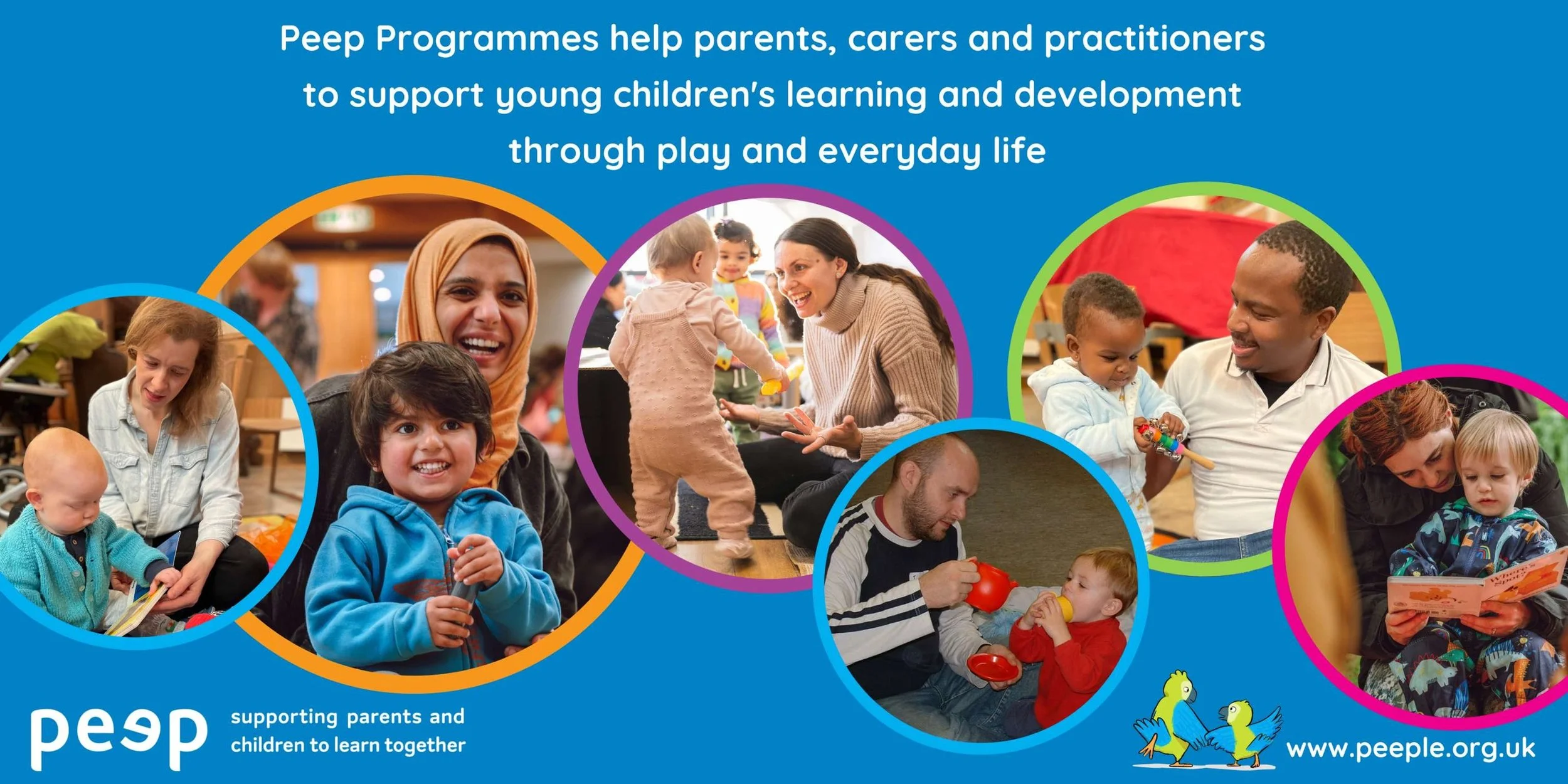
Learning opportunities are all around us. How does Peep help us to optimise the everyday moments that not only bring great joy but also support healthy wellbeing and development?
I think Peep reframes ordinary moments as extraordinary opportunities. Talking during shopping, singing during nappy changes, sharing stories at bedtime- these everyday interactions build language, attachment and joy at the same time. Doing small and simple things with a child have such potential for significant lasting impact and for parents to take away this understanding is a gift.
Playgroup Victoria hold the exclusive licence for training practitioners to deliver Peep programmes in Australia. How enriching has the program been in Australia so far?
The Peep Learning Together, Peep Antenatal Programme and Peep TALK have been warmly embraced by Playgroup Victoria and their partners. Practitioners report increased parental engagement, stronger parent–child interactions and greater practitioner confidence in supporting families.
In diverse communities, Peep has proven adaptable and culturally responsive. Importantly, the programme’s success is not measured only in numbers, but in strengthened relationships- more attuned caregiving, more confident parents and children who are better prepared socially, emotionally and cognitively for school.
The Peep Learning Together programme has a strong focus on the relationship between parent/carer and child, paired with the power of the home learning environment. In what ways does the Peep programme support practitioners working with families?
Peep training gives practitioners practical, evidence-based tools to strengthen the parent–child relationship. Grounded in attachment theory, it helps practitioners focus on attunement, responsiveness and secure relationships as the foundation for learning. It provides structured yet flexible session plans, reflective practice tools and language to communicate the ‘why’ behind everyday activities. Practitioners are supported to work ‘with’ families- respectfully and collaboratively- recognising parents as their child’s first and most enduring educator.
We use the ORIM framework (Opportunities, Recognition, Interaction, Modelling) to equip practitioners with a simple, research-informed structure for strengthening the home learning environment while keeping the parent–child relationship at the centre. It translates attachment theory and early years research into practical, relational action.
ORIM aligns deeply with Peeple’s relational ethos. It:
Keeps the focus on partnership and dignity.
Provides a shared language for discussing learning without judgement.
Makes research accessible and practical.
Builds parental confidence through clarity and simplicity.
Embeds lifelong learning — for children, parents and practitioners alike.
By strengthening the adult’s confidence and understanding, practitioners indirectly strengthen the child’s developmental outcomes.
In this way, ORIM is not a checklist- it is a relational lens. It helps practitioners remain intentional, reflective and grounded in integrity as they walk alongside families with young children.
During the establishment of the Peeple charity, one thing was clear, it needed to be collaborative. Your website reads: “The approach was clear from the outset: 'working with' rather than 'doing to' families. The replacement of ‘Peers’ with ‘Parents’ for the first initial of Peep reflected this change, while reinforcing the fundamental importance of ‘Partnership’.” What is the strength of the learning together model?
The strength lies in partnership.
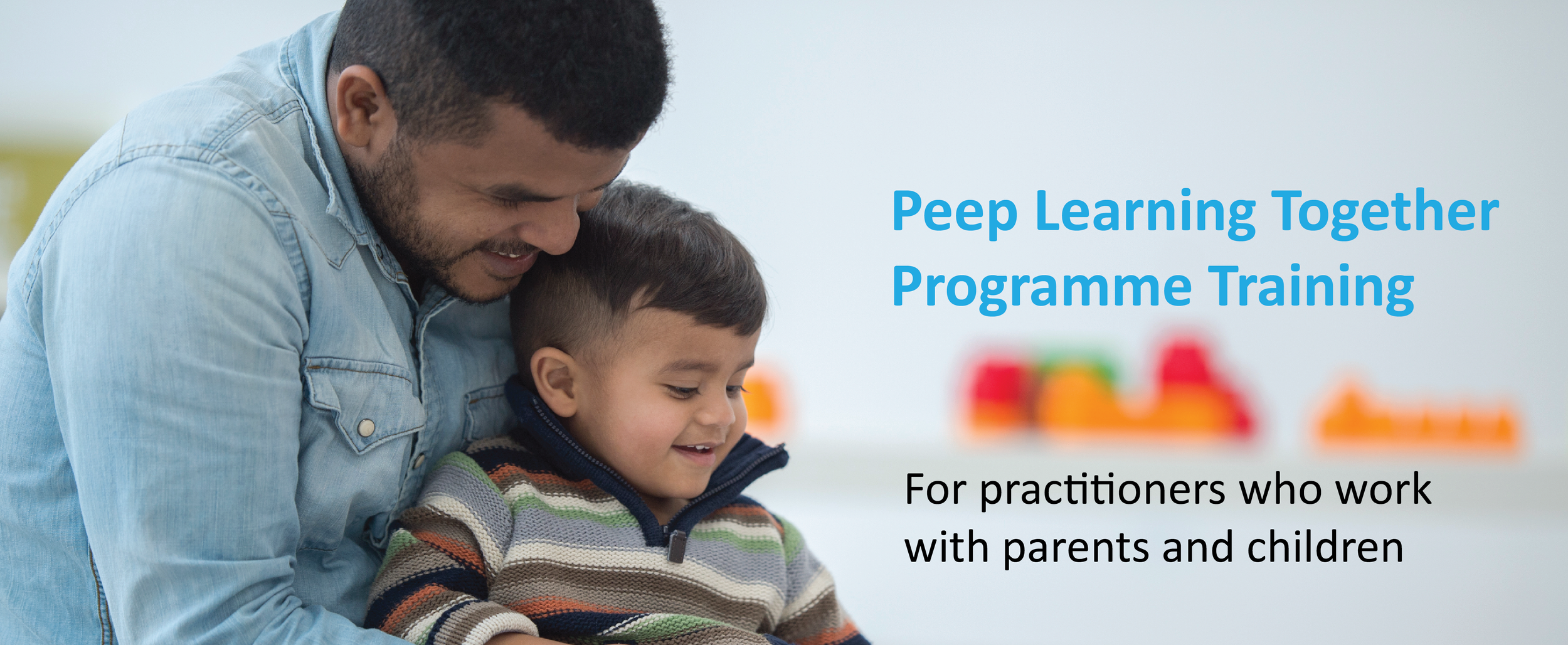
“The learning together model honours the dignity, wisdom and lived experience of parents. Rather than positioning professionals as experts who ‘fix’, Peep recognises that growth happens through authentic relationship.”
This integrity builds trust. When parents feel respected and valued, they are more open, more reflective and more empowered. Children benefit because the adults in their lives feel confident and capable. The model embodies truth: children thrive in secure, collaborative relationships.
PEEP PROGRAMME TRAINING
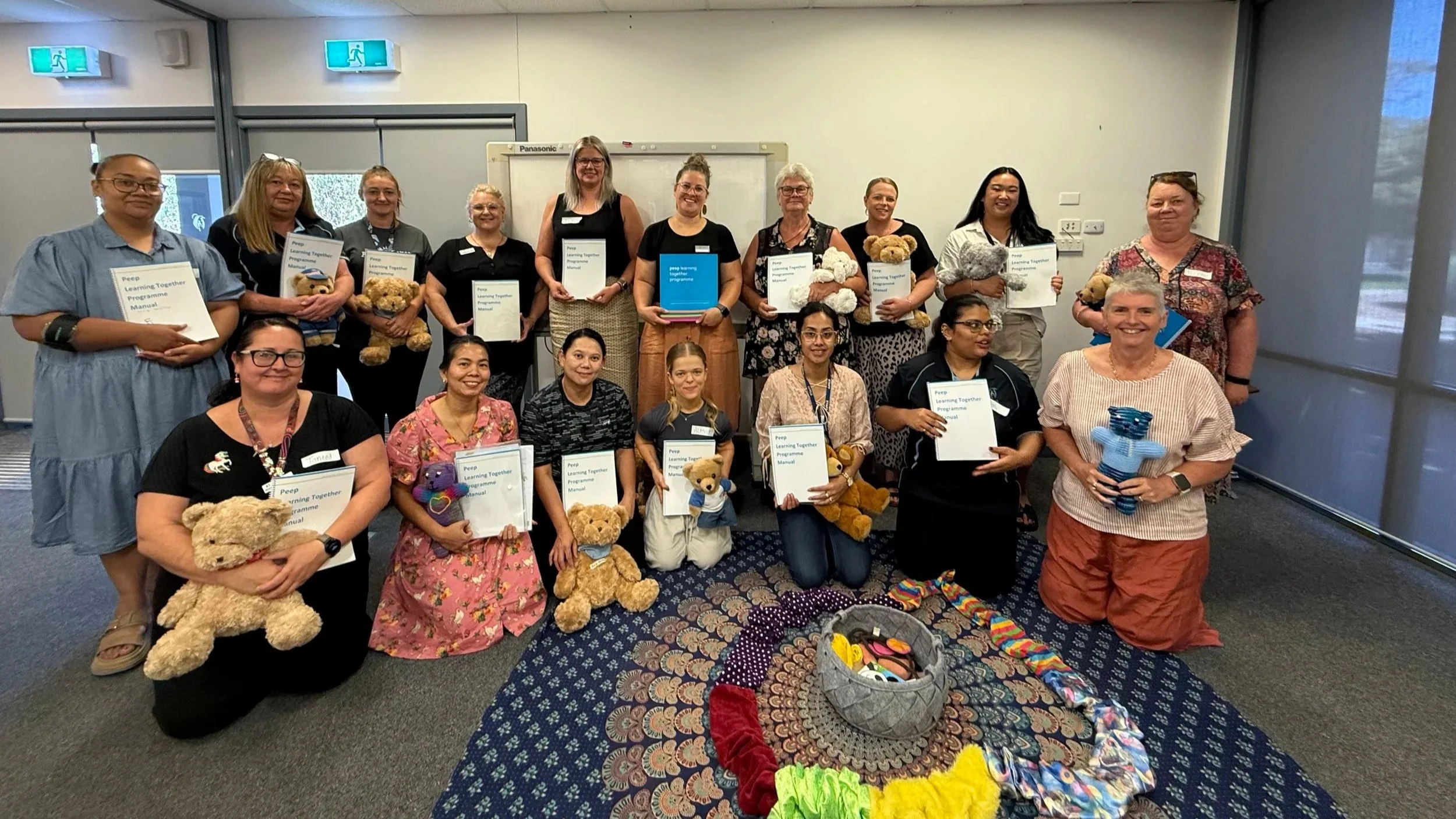
In what ways does Peep support practitioners in early years spaces, such as playgroup facilitators?
Peep training deepens understanding of child development, attachment and the home learning environment. It strengthens practitioners reflective practice and relational skills. Facilitators learn how to scaffold conversations with parents about learning without judgement. The training builds professional integrity- grounding practice in research while remaining compassionate and relational.
How does playgroup and Peep co-exist and support one another?
“Playgroup offers community, belonging and peer support. Peep adds a structured, evidence-based lens to everyday play. Together they create a powerful ecosystem- relational warmth combined with intentional learning. Both are rooted in the belief that relationships are central to development.”
What kind of things do Peep practitioners utilise to enhance the learning experience? In what ways do practitioners empower parents and carers to support children to reach their full potential?
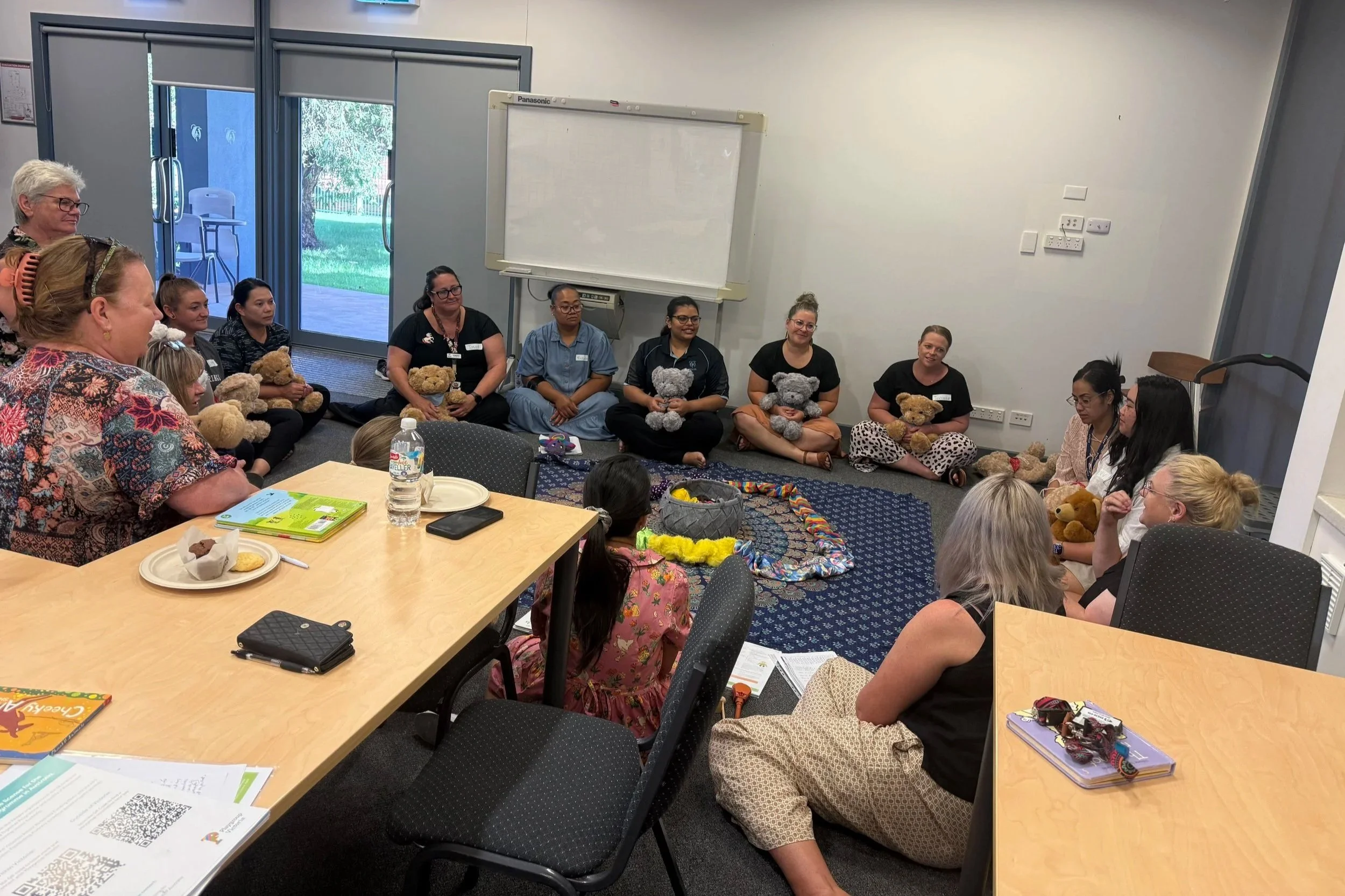
Practitioners use songs, stories, play activities, everyday objects and reflective discussion prompts. They model attuned interaction, explain the developmental purpose behind activities, and invite parents to try ideas at home. Empowerment comes from understanding- when parents know why something matters, their confidence grows.
Peeple’s Vision: Every family making the most of everyday learning opportunities to improve children's outcomes and help narrow the gap in attainment.
PEEP GROUPS FOR PARENTS AND CARERS
In what ways does Peep support parents and carers?
Very simply put, Peep supports parents emotionally, socially and practically. It validates their role, builds knowledge about child development, and creates a safe community of shared learning.
In what ways have you seen children’s development and confidence grow because of the Peep Learning Together Programme?
We see increased verbal interaction, stronger turn-taking skills, greater emotional regulation and visible confidence in exploration. Children become more curious and socially connected.
“A wonderful example is a 3-year-old boldly leading their parent to their weekly Peep group which is held on the third floor of a huge, modern college of further education in Ayrshire, Scotland. “What number are you going to?” he asks an adult student in the lift – “My group is number 3” as he presses the lift buttons!”
How accessible are the activity ideas for families?
Parents consistently say they appreciate how simple and achievable the ideas are. Activities use everyday materials and routines- bath time, mealtimes, walks- reinforcing that learning does not require expensive resources. All topics have a focus on low cost or no cost activities which anyone can access.
In what ways does the Peep program, and indeed playgroup, enhance confidence in those who attend?
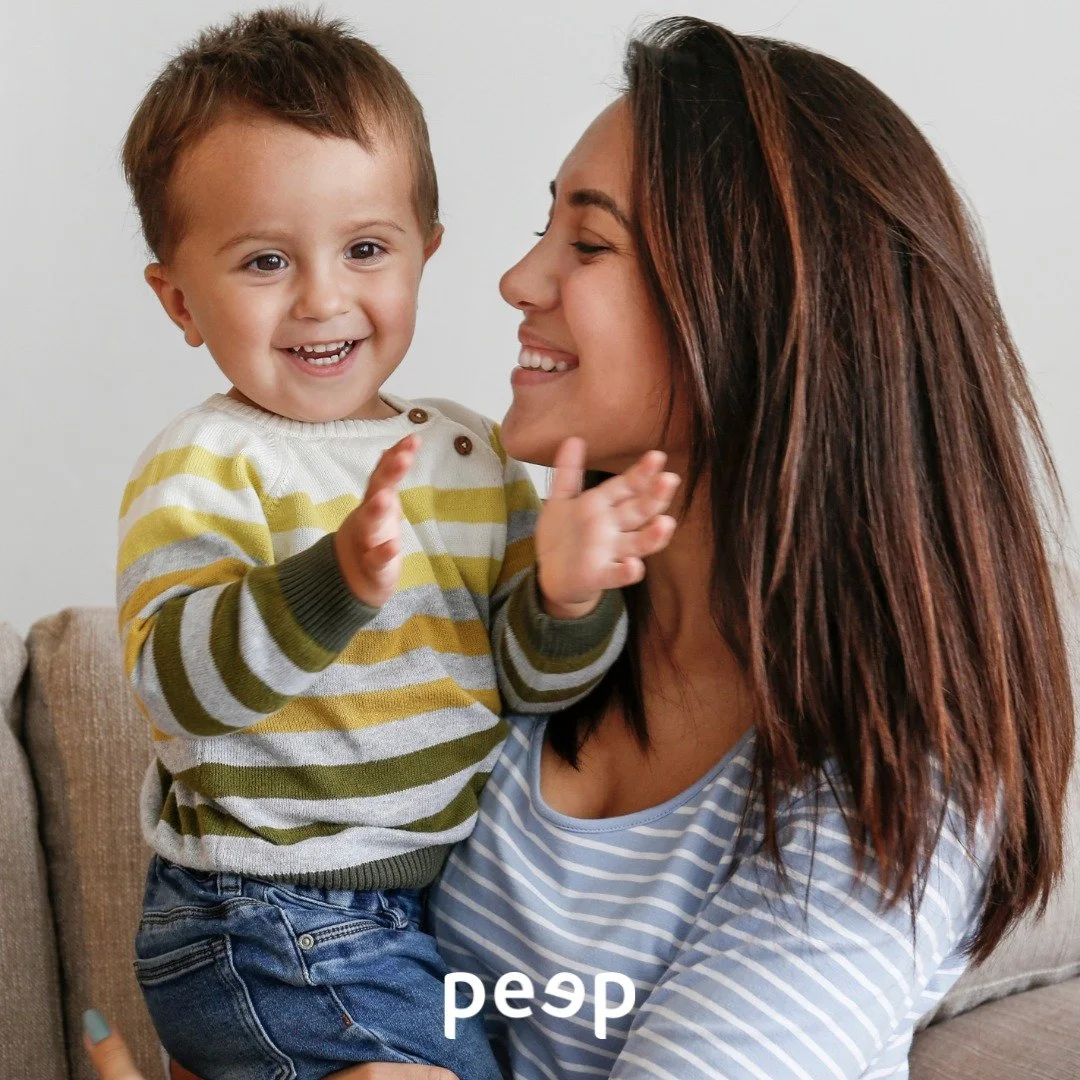
Confidence grows through belonging, knowledge and practice. When parents see their child respond positively, their sense of competence strengthens. Practitioners, too, grow in confidence through reflective, research-informed practice. From a Peep programme perspective, being in a position to offer the Practitioner Accreditation (reflective learning journal) and the Peep Progression Pathway (parent qualifications) can further build competence and confidence.
To a parent/carer who might be struggling, feeling overwhelmed or a bit lost, what would you tell them about the benefit of attending Peep or playgroup?
I think my messages would be around – “You do not have to do this alone”. Connection is protective and, in a Peep, or playgroup setting, you will find understanding, reassurance and practical ideas. Small moments can transform both a child’s day and that of the carer in a supportive, non-judgemental space. I’d tell them to bring a friend with them!
In what ways does the playful interactions of a Peep or playgroup session support the mental and physical health of participants? What positive ripples do the connections create in wider areas of life?
“Play reduces stress hormones and increases feelings of joy and connection- for children and for adults too. I’m a huge fan of play- my play takes the form of crafting, singing, dancing, being outdoors, getting mucky in the garden!”
Shared laughter and shared stories builds bonds. Social networks formed in groups often extend beyond sessions, strengthening community resilience and reducing isolation. We see parents make lifelong friendships through attending these groups with their young children.
In what ways does Peep help parents and carers to gain qualifications which lead to further education or employment?
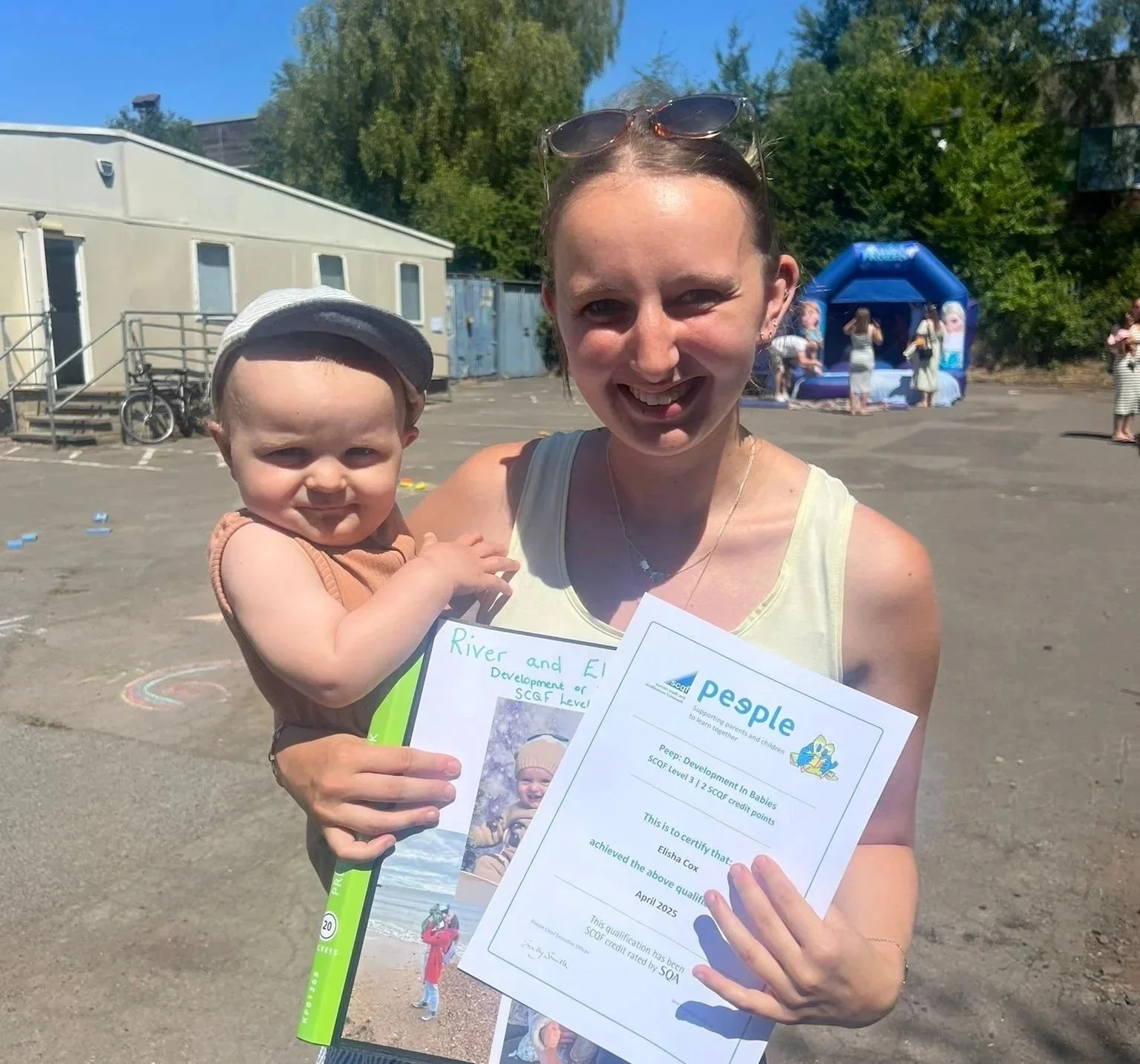
The Peep Progression Pathway training allow parents and carers to gain qualifications while attending the Peep sessions with their child. We have seen parents building skills and confidence leading to volunteering roles or becoming a Peep practitioner themselves. For some parents this may be the first time they have seen themselves as a learner. Lifelong learning is embedded in the model- growth is not limited to children.
What motivates and inspires you?
Kindness motivates me.
“I am inspired by simple things: smiling at a stranger, leaving a book on a park bench with a small “for you” note, feeling the warmth of the sun on my face, walking quietly in a forest. Research describes these as “micro-joys”—small, everyday moments that build resilience over time. They are accessible to all of us and often make the biggest difference.”
What have you found most rewarding, working in the early years space?
On a personal level, one of the greatest privileges has been staying long enough to witness real change- seeing cycles of intergenerational trauma begin to loosen and, in some cases, break. More broadly, I have seen a global shift in how early childhood is understood: from being viewed as “just childcare” to being recognised as the critical foundation for lifelong learning, health and economic stability. That shift gives me hope.
You have previously travelled with your colleague, Peeple CEO Dr Sally Smith, to be part of the Playgroup Victoria Conference. What do you hope to bring to this year’s event? What are you most looking forward to?
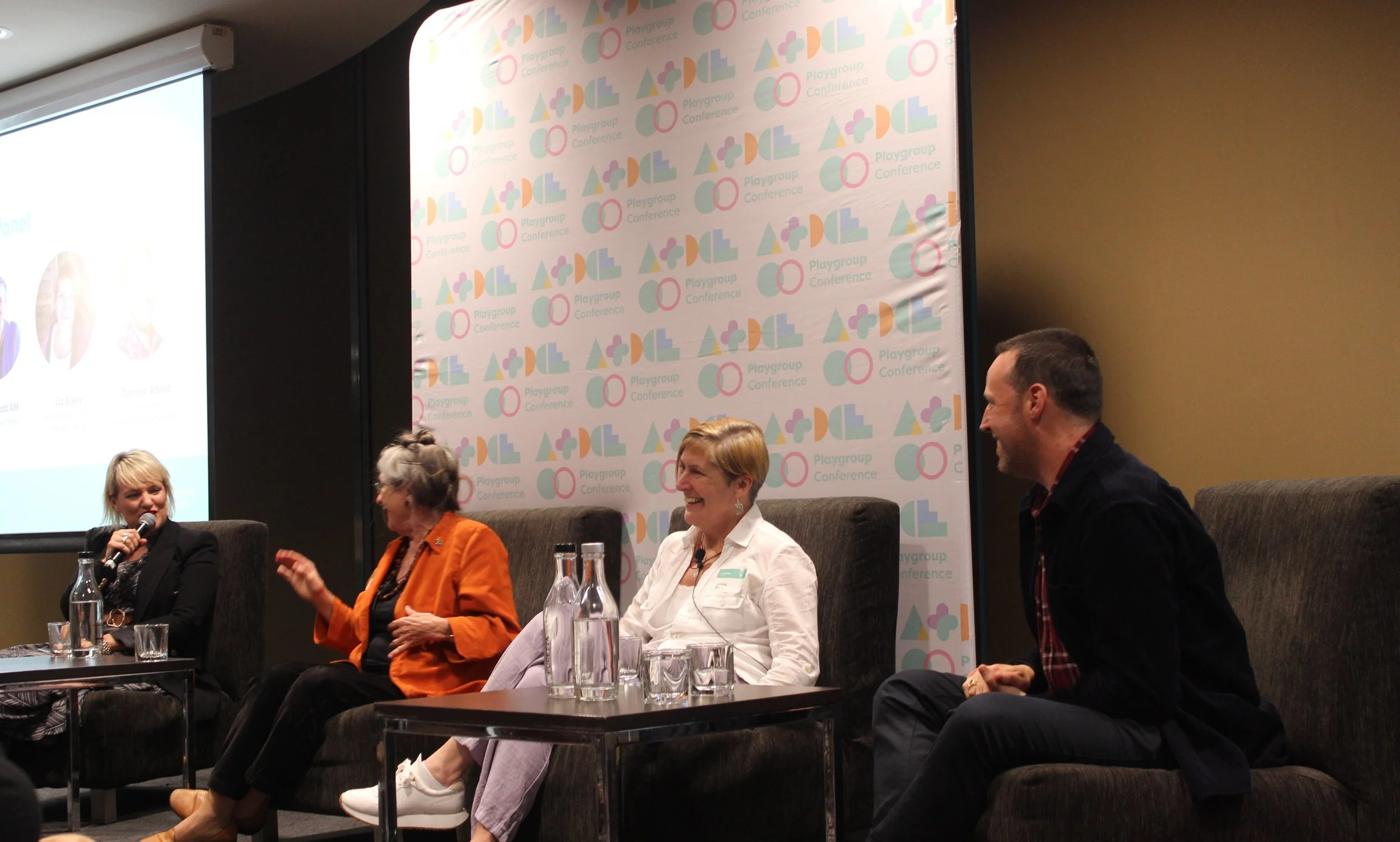
Sally and I hope to bring encouragement, evidence-informed insight and genuine partnership. I’m really looking forward to listening- to learning from practitioners on the ground- and strengthening collaborative relationships that continue beyond the conference itself.
I’m looking forward to contributing to presentations and to the panel. The warmth of the sunshine will also be treasured.
This year’s conference theme is, ‘Better Together. Cultivating Connections’. What have your connections gifted you over the years? What does friendship mean to you?
One of the most important things to me is how my connections have gifted me mirrors. People have shown me who I am, not through advice, but through their presence. In relationships, our unfinished business tends to surface, projections maybe soften, and there is a sense of wholeness. True connection has been less about comfort and more about awareness.
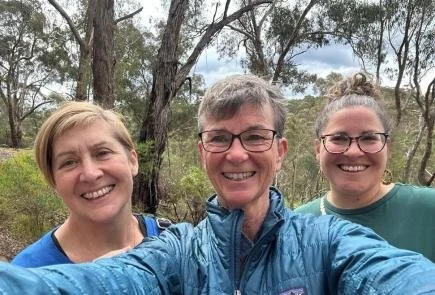
Friendship for me is the courage to stay in contact, walking beside one another in growth- not withdrawing when discomfort arises, not rescuing, not fixing- just remaining present. With truth comes growth I believe. The people in our lives are not accidental; they are teachers. Some arrive to expand our joy. Others arrive to refine our boundaries.
I have over recent years become interested in breathwork and yogic philosophy. Both practices help me to feel grounded – checks my ego when it needs softening and strengthens my voice when I need courage.
Friendship, like secure attachment, provides safety and challenge- a base from which we can explore, learn and evolve. Better together is not only a theme for your conference; it reflects a fundamental truth about human development and lifelong learning.

Learn More About Peep and Take Part in Upcoming Training
Book to Attend the Playgroup Conference
Article by Sinead Halliday
Photography Courtesy of Peeple UK and Claire Georgiou