
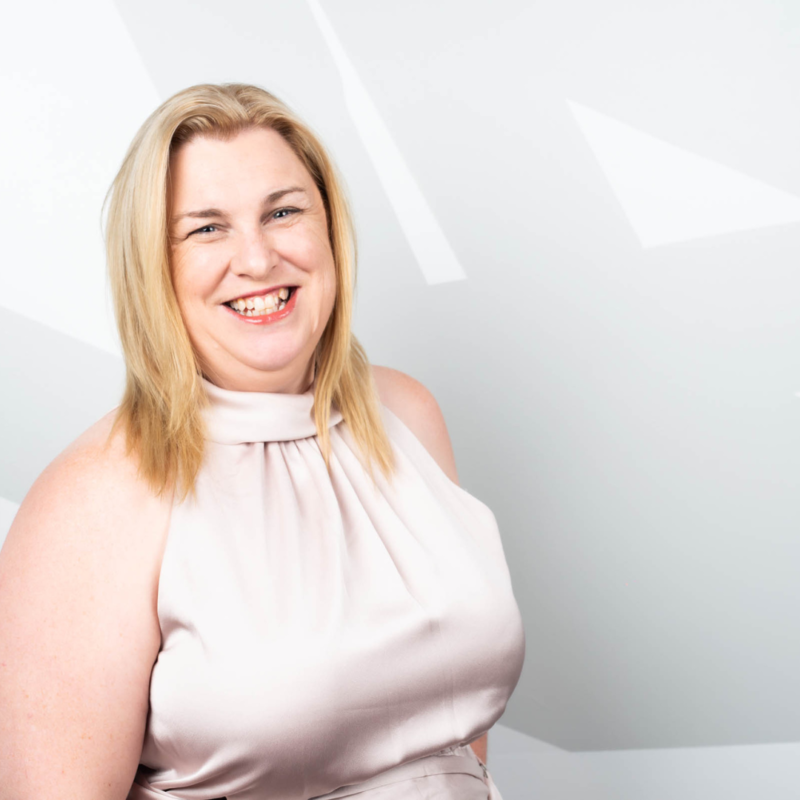
Fiona Demark grew up in the Australian outback. While she said it was technically a big town, it was incredibly isolated- especially when it came to disability supports.
“From a young age, I had to adapt, problem-solve and think creatively. There wasn’t a roadmap, so I learned to build my own.”
“My parents played a huge role in that. They never treated me differently because of my vision loss. I wasn’t wrapped in cotton wool — I was allowed to try, fail, succeed, and learn like any other child. That shaped me in powerful ways.”
Fiona’s childhood wasn’t easy but those challenging aspects created strength in her- a positive force.
“I spent a lot of time trying to fit in, trying to hide my disability, and that actually made things harder. Looking back, that experience taught me a lot about identity, resilience, and self-acceptance — lessons I now share with others.”
Fiona has always loved reading and learning. As her vision lessened, she adapted. She made the print larger and then moved to audiobooks.
Fiona describes learning as her “anchor”.
We can often lose our sense of anchor when change is afoot. We resist adapting- to a new environment, a new routine or health change. We fear change, we harbour doubts, we grow frightened. While that is natural, Fiona has set about rewiring that part of her brain, known as the reptile brain, honed in on keeping us safe from perceived danger.
Fiona wants her life to be led with enthusiasm and a willingness to step forward into unknowns.
As a blind woman she has embarked on many adventures- she has jet skied, swum with dolphins, abseiled and driven around a racetrack.
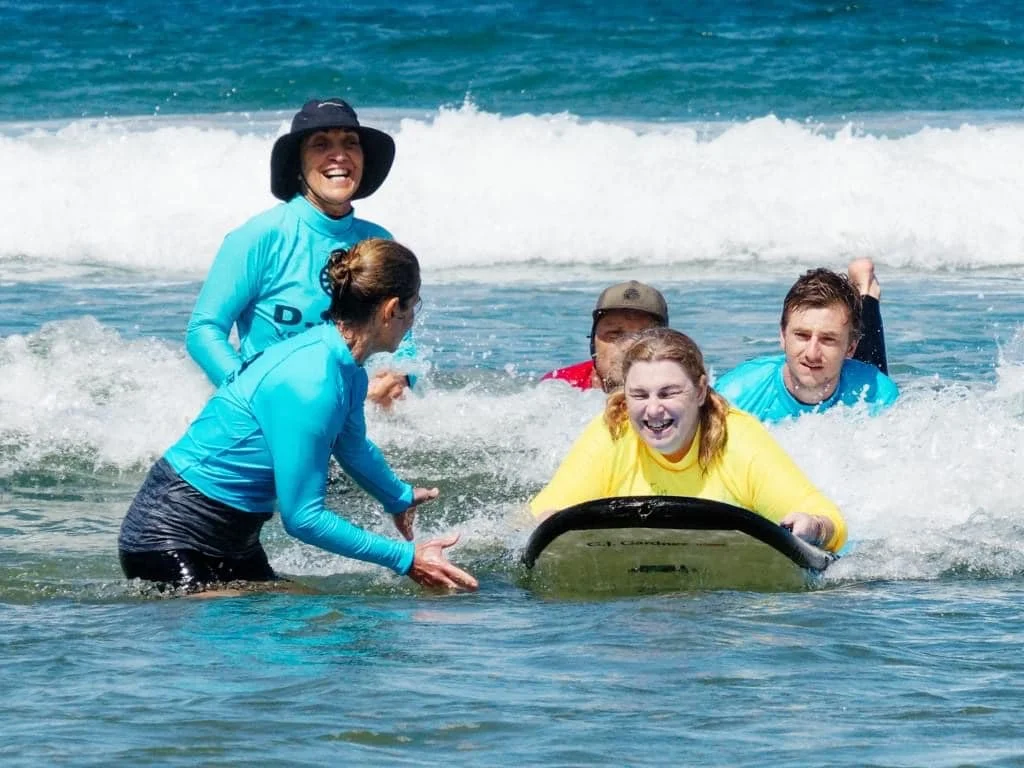
Fiona is what you would describe as a ‘Go-Getter’ and that energy and zest for life rubs off on others. She dives deeper into these spaces- mindset, motivation, ability thinking- to share her wisdom and help others. As such, Fiona has made it her life work. As a speaker, coach, trainer and author Fiona meets people from all walks of life and shares her experience and knowledge.
In life, we are all forced to adapt at varying times. Fiona has set out to embrace these adaptions and guides others to do so with an open mind and open heart, reminding us that we create our experiences- so we might as well make the most of them.
Be inspired and read more about Fiona’s way of thinking and thriving.
What compelled you to become a motivational speaker and coach?
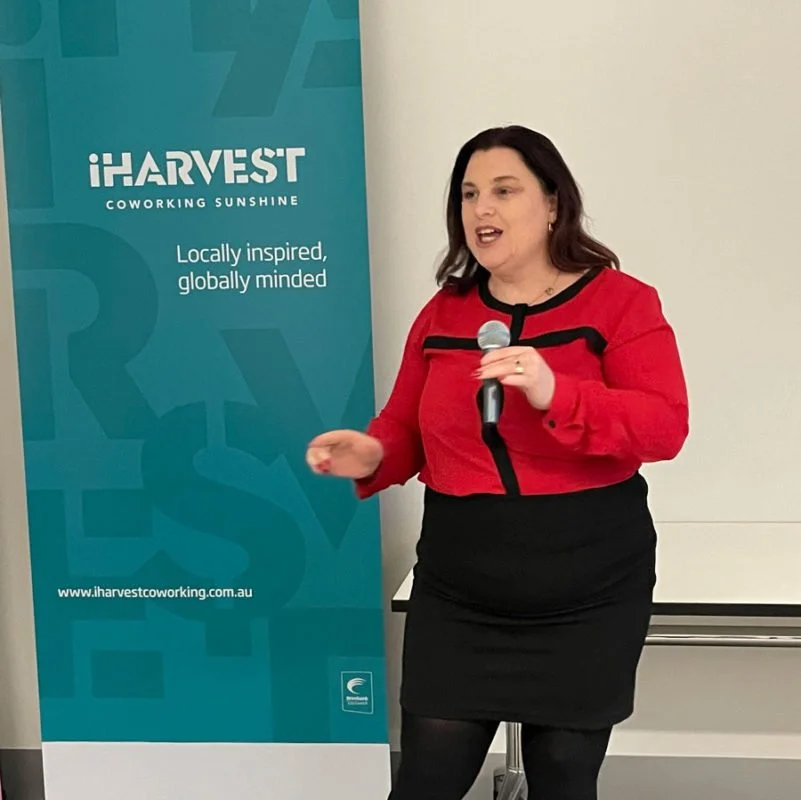
It actually started quite simply. I was at a workplace training day, sitting in the audience after lunch, listening to a keynote speaker — and I remember thinking, “I could do that one day.”
During COVID, I took the opportunity to intentionally build my skills. With a background in social work and years of experience in complementary and mindset-based approaches, I added formal coaching training. That bridged the gap beautifully between structured practice and the more holistic, future-focused work I love.
At the same time, I began developing my speaking and facilitation skills. I realised that when you combine lived experience, professional frameworks, and storytelling, you can reach people in a way that truly creates change.
“My goal has always been simple: to help people rethink what’s possible. Disability doesn’t mean a lesser life. Challenges don’t mean the end of joy. We all have the capacity to adapt, grow, and thrive — even when life gets hard.”
What does it feel like to help others recognise and make the most of their opportunities?
I don’t aim to be inspiring — I aim to inspire change.
The best moments are when people come up to me after a session and say, “I’m actually going to do something differently.” I often ask them what landed for them, because that’s where the real work begins — when they connect it back to their own life.
I’ve faced challenges not just because of disability, but because… well, life happens. Relationships, finances, work stress, health — none of us are immune. Disability can add extra layers, but the human experience underneath is shared.
When I see someone move through a difficult moment with a new perspective or new tools, it reminds me that my experiences — all of them — have purpose. I’m genuinely happy in my life. I still have goals and dreams, but I feel grounded and content.
I want others to know that this is possible. And sometimes that journey starts with a keynote, sometimes with deeper coaching — but every step matters.
You have said, “I may be blind, but I see possibility everywhere.” What are some everyday possibilities we can make the most of?
So many things come back to personal responsibility and self-kindness.
Being grateful for what we do have
Taking ownership of our choices
Understanding that challenges can happen to anyone
Choosing how we respond
One phrase that’s always stayed with me is: “Say yes, and work it out later.”
You don’t need all the answers upfront — you just need willingness.
At the same time, boundaries matter. We need to reduce external negativity so we can quiet the internal noise. Let the past be the past. Guilt is not helpful. What you do now is what shapes your future.
What are some first steps to reframing one’s mindset?
It starts with awareness. Teaching your conscious brain to notice the running commentary in your head — and asking, “Is this useful? Is this true?”
From there, it is about practice:
Catch negative thinking
Reality-check it
Replace it with something more aligned
Your brain builds habits just like your body does. Spend time with people who support your growth. Do things you love. Stop comparing yourself to others and focus on what aligns with your values.
“Growth often lives just outside comfort — and that’s where the best memories are made.”
What’s the benefit of stepping outside your comfort zone?
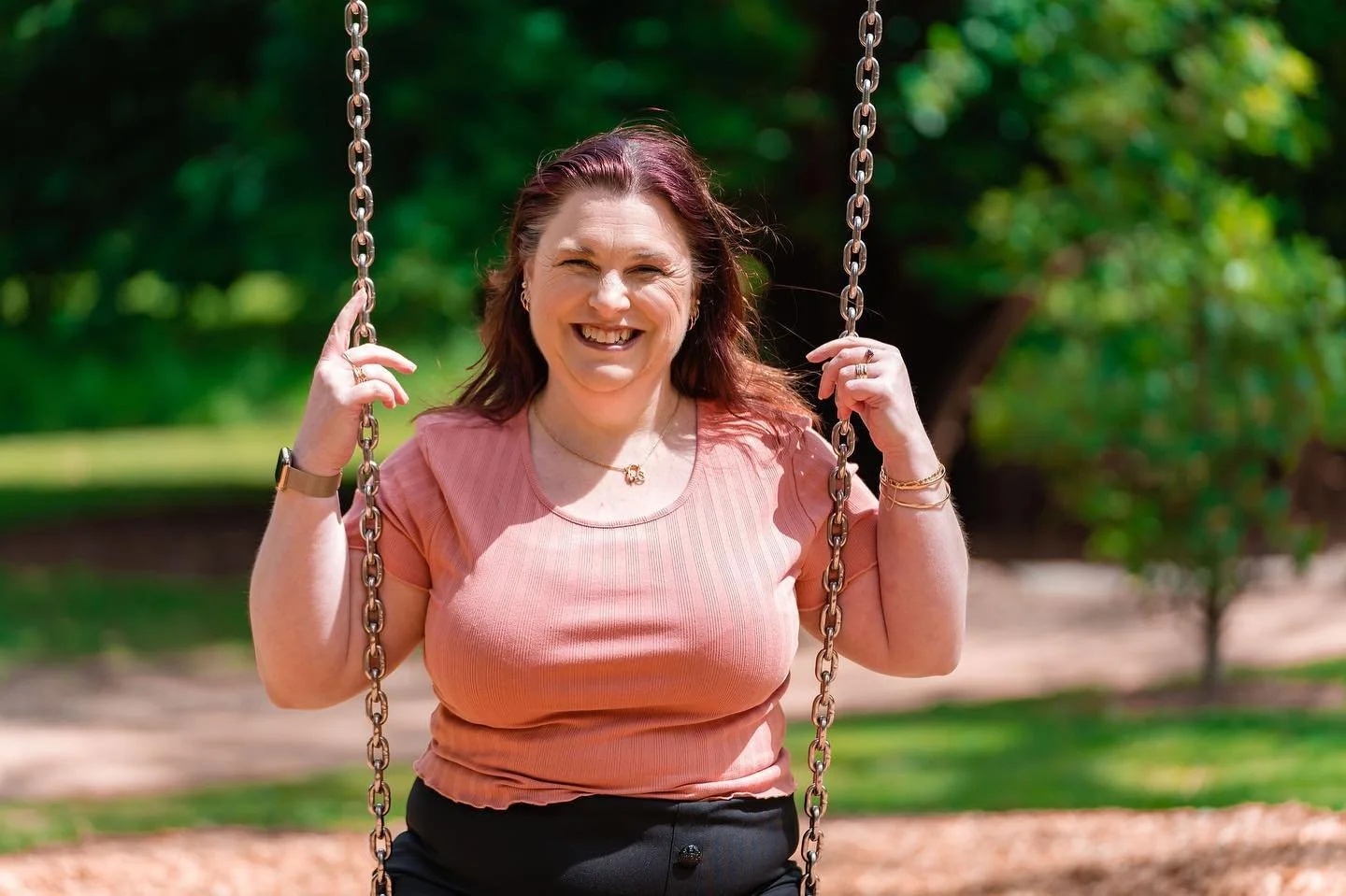
It’s a conversation with your reptile brain — the part that wants to keep you safe.
You check in and ask:
Am I actually unsafe?
What’s the worst that could happen?
Can I handle that?
Usually, the answer is yes.
For me, riding a jet ski was terrifying. My fingerprints are probably still embedded in the handles. Would I do it again? Maybe not. But I did it — scared — and that matters.
There’s no failure. Just learning. Growth doesn’t happen in comfort.
What is your relationship like with fear and discomfort?
Honestly? I love it.
Fear is just a safety mechanism. If the risk is informed and considered, fear doesn’t get to run the show. The physical sensations of fear and excitement are actually the same — racing heart, butterflies, heightened energy.
You can choose which story you attach to them.
How do you encourage people during periods of discomfort?
I remind them:
This is temporary
You have more control than you think
Discomfort often signals growth
It’s not about avoiding hard feelings — it’s about moving through them with intention.
You write, “Every connection has the potential to shift something in us.” How can we be more open to connection?
Even as an introvert, I know we thrive on meaningful connection.
Sometimes it’s as simple as:
Making the phone call instead of sending a text
Meeting for coffee instead of staying home
Looking up from your phone and being present
Assume there’s more going on in someone’s life than what you see. Lead with kindness. Use people’s names. Treat service workers like humans — not robots.
Small moments of connection create ripple effects.
How can communities become more inclusive and accessible?
Ask. Listen. Consult.
Accessibility works best when it’s embedded from the start — not added later as an afterthought. Make inclusion practical, not just policy-based.
“Remember: not all disabilities are visible. Flexibility and kindness benefit everyone — and one day, you or someone you love may need that ramp, seat, or support.”
As a vision-impaired person, what would you like people to know?
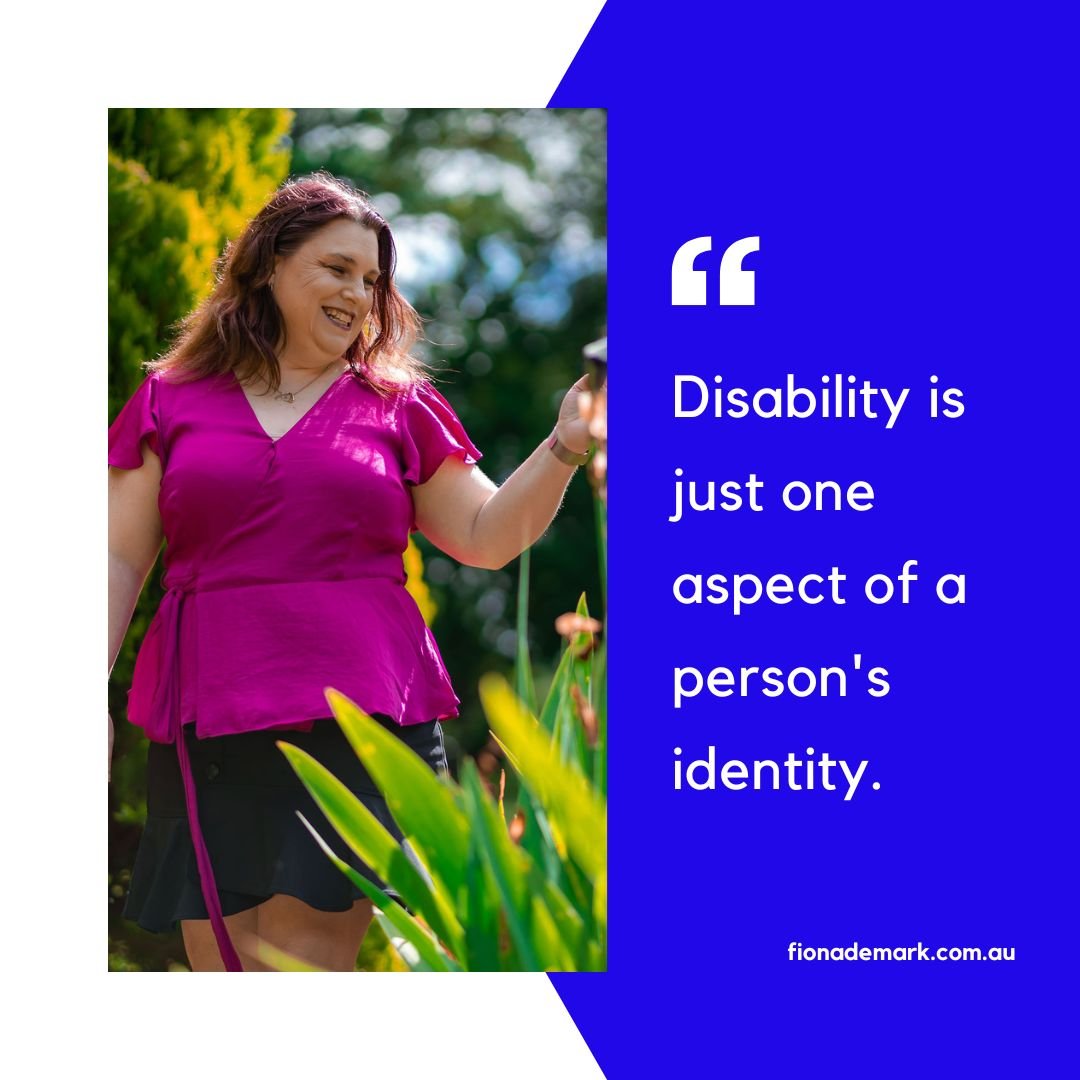
Vision loss exists on a spectrum. I now have around five percent vision, which means my other senses have adapted beautifully. I listen deeply. I remember things. I feel environments.
Yes, there are things I can’t do — and many things I can.
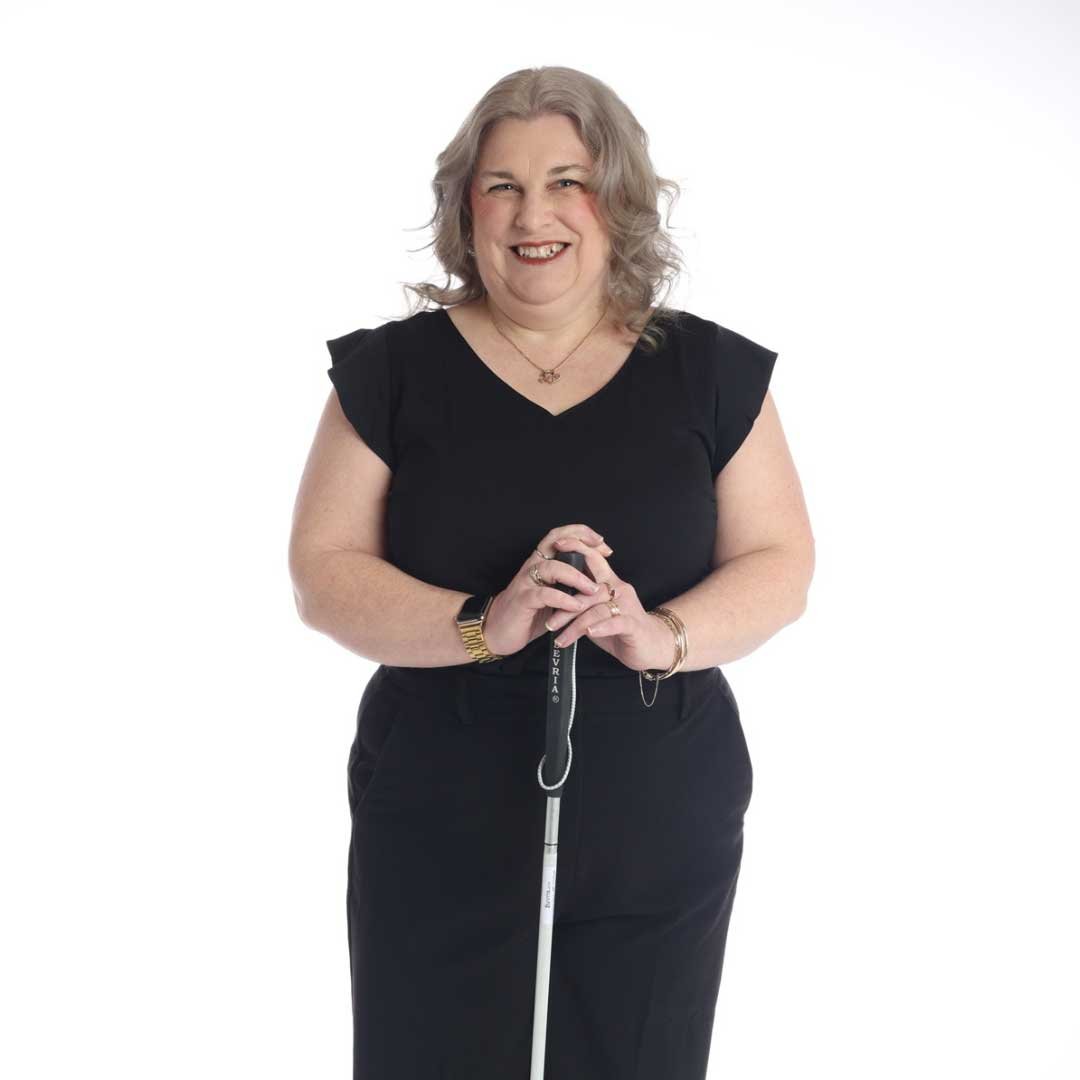
Not everyone who is blind uses a guide dog or reads Braille. I prefer cats (mine is excellent at self-care, not guiding). I use a white cane and my wonderfully patient husband.
Don’t assume. Ask respectfully. And please — look up from your phone when walking. I won’t move out of your way.
What role do the senses play in mindfulness and wellbeing?
Try brushing your teeth with your eyes closed. You’ll notice so much more.
Mindfulness isn’t complicated. It’s noticing:
The wind
The sounds
The feel of cold water
The smell after rain
It pulls you out of overthinking and back into the present. And gratitude naturally follows.
What have you learned through Ability Thinking?
That we can train our minds to trust our ability to get through whatever life throws at us.
Hard moments are allowed. So are tears and anger. What matters is knowing how to move yourself forward again.
Your life doesn’t happen to you — you participate in creating it.
What advice would you offer someone experiencing self-doubt?
Stop comparing. Get clear on what you want. Write it down. Take one small step.
Build a toolkit:
Breathwork
Movement
Sensory grounding
Supportive people
“And remember: this feeling is temporary. You are becoming — not behind.”
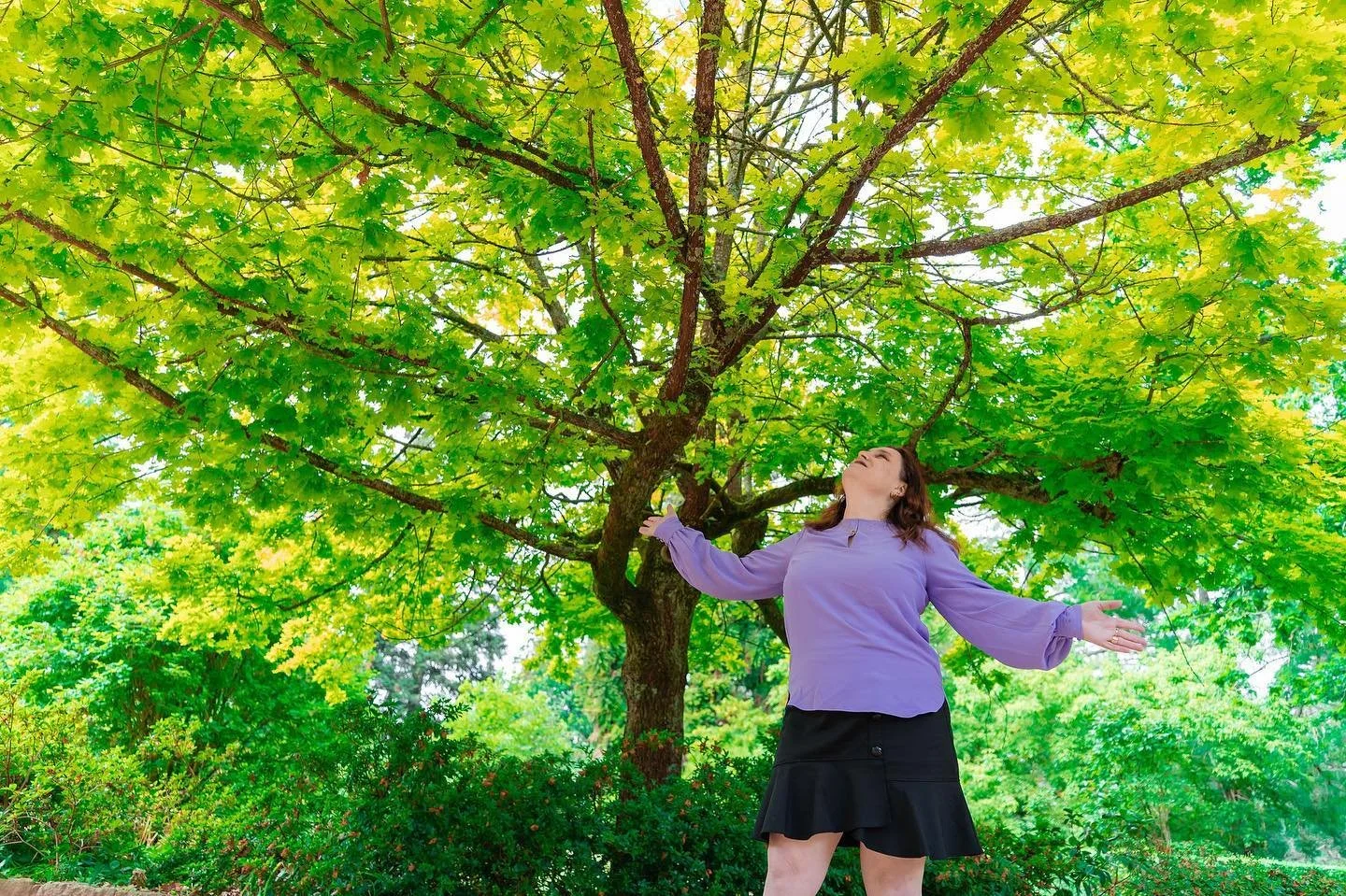
Learn More About Fiona’s Work and the Her Upcoming Keynote Address at the Playgroup Conference.
Article by Sinead Halliday
Photography courtesy of Fiona Demark