
Seeing a young child express words for the first time is special enough, but to see familial culture reflected back in someone so young is profound. A grandparent sharing a traditional song with a toddler can often be emotional- such is the time and significance stretching out between them and the memories it evokes.
We now live in a globalised world, where many cultures traverse and connect.
Cultural playgroups create a welcoming space for the things that families share and what makes them unique. At the Craig Family Centre in Ashburton, one such thing shared is the Mandarin language.
“Participants can relate to one another from a place of lived experience,” said Jordan Sibley, Community Programs Coordinator.
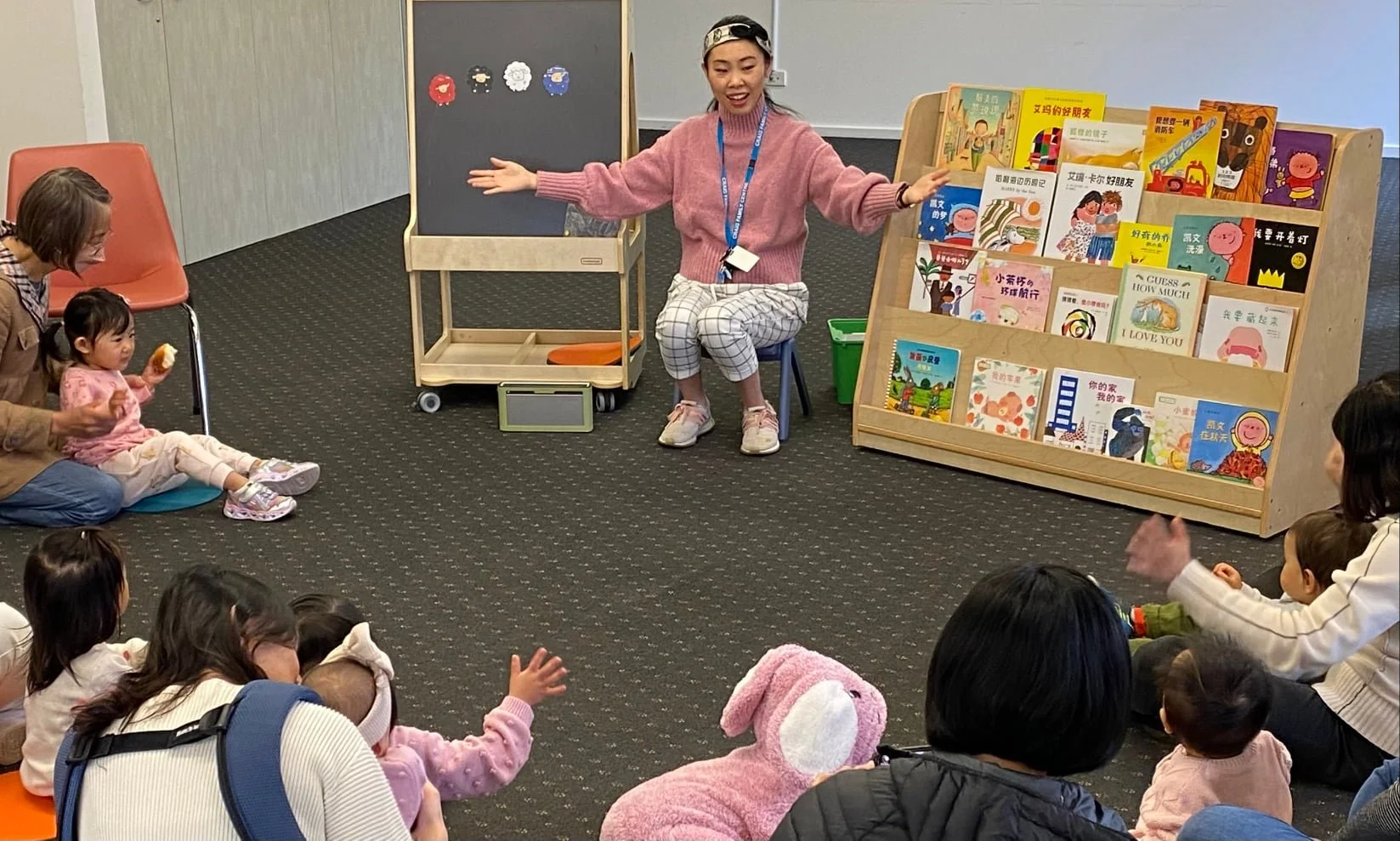
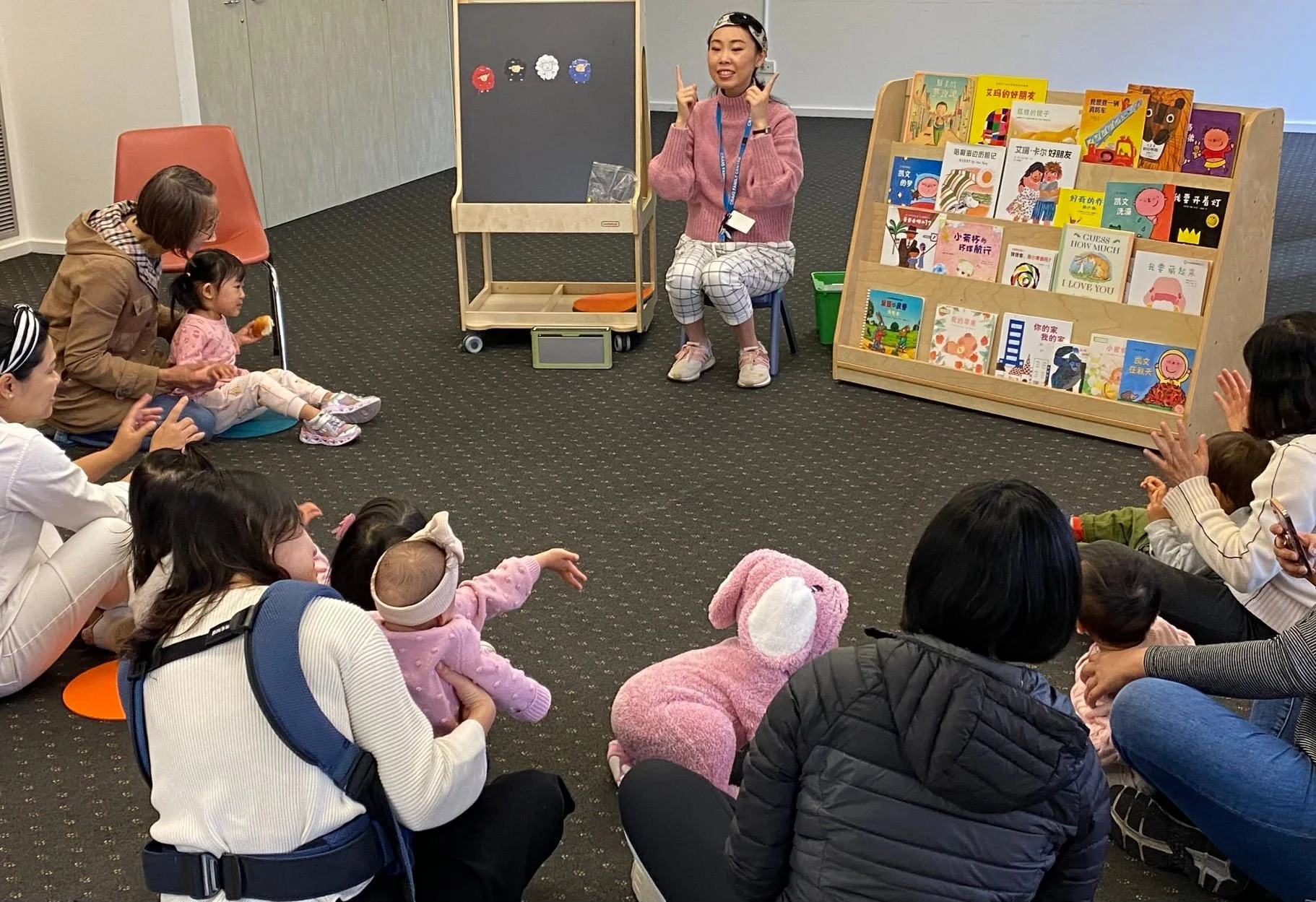
Generations gather together at the mandarin playgroup where they share songs and stories, activities and histories.
The playgroup engages with newly arrived migrants and new mothers, their families and community.
Alongside the shared language and customs, the group also shares information about Australian systems and culture, providing support to one another.
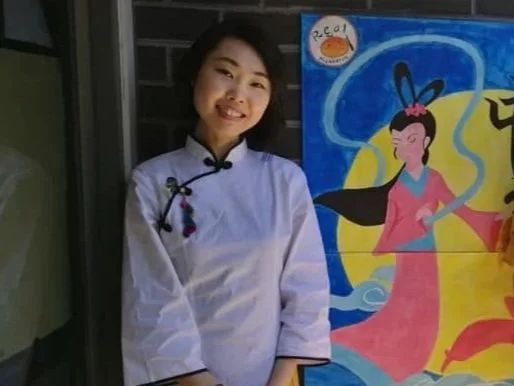
Jessica has been facilitating the playgroup for a decade. She loves to create links to family, language and cultural heritage.
We spoke with Jessica and Jordan to learn more about the Mandarin playgroup who warmly welcome local mandarin speaking families to join the playgroup community.
Jordan:
In what ways does your playgroup create a sense of belonging?
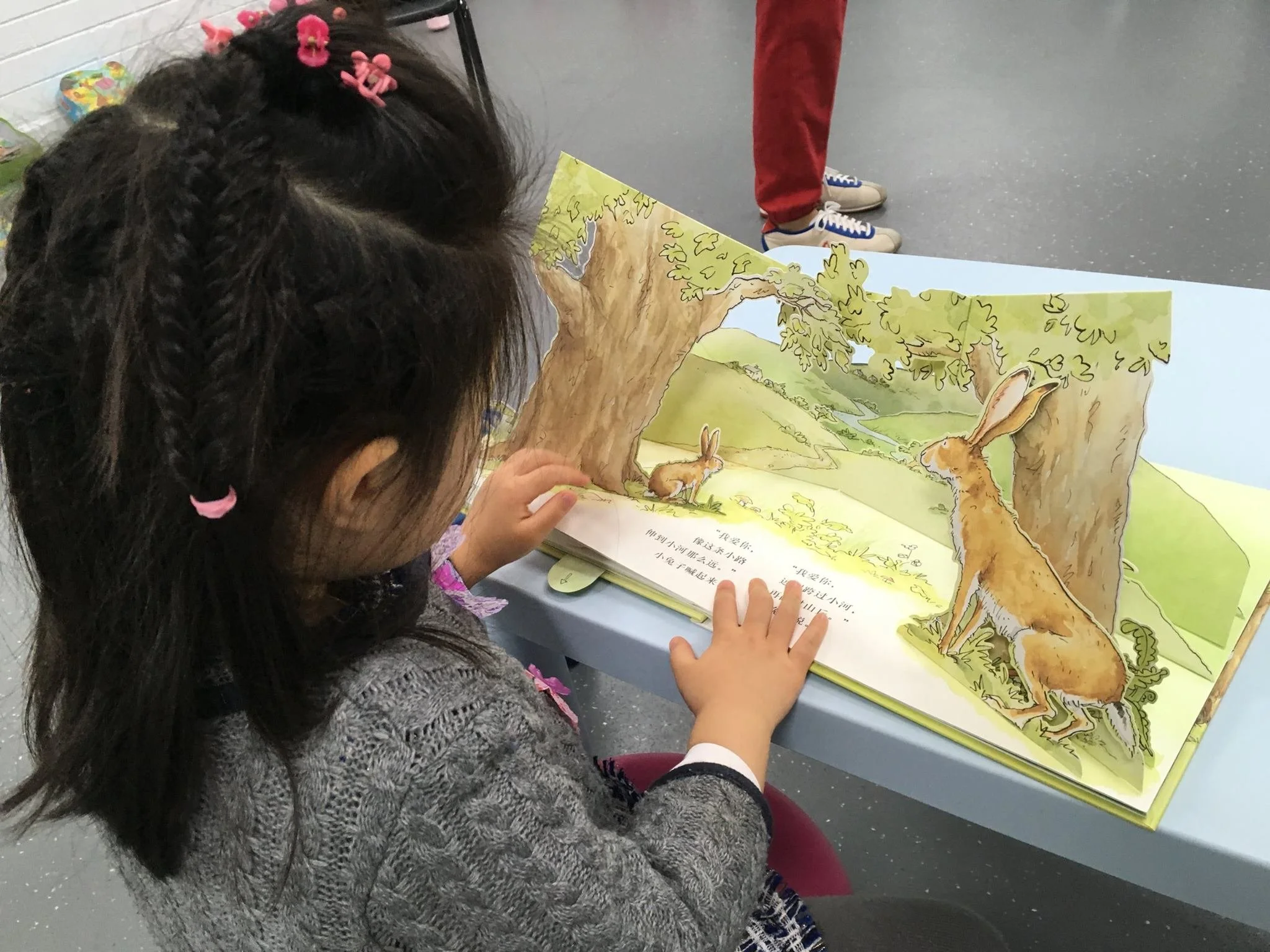
Jessica’s Mandarin playgroup has been running at the Craig Family Centre for many years and continues to grow and develop as a community of Mandarin speakers, with young children. There is an undeniable sense of belonging within the playgroup, developed especially by Jessica’s capacity to engage the children and develop a deep connection with the families.
Within the Boroondara Council, there is a sizeable population of grandparents that migrate from China, for the purpose of caring for and helping raise their grandchildren. They can become quite isolated because of language barriers and differing cultural norms.
“The Mandarin playgroup acts as a bridge and place of cultural connection for Chinese migrants and their young children.”
Jessica:
In what ways does culture run through your playgroup?
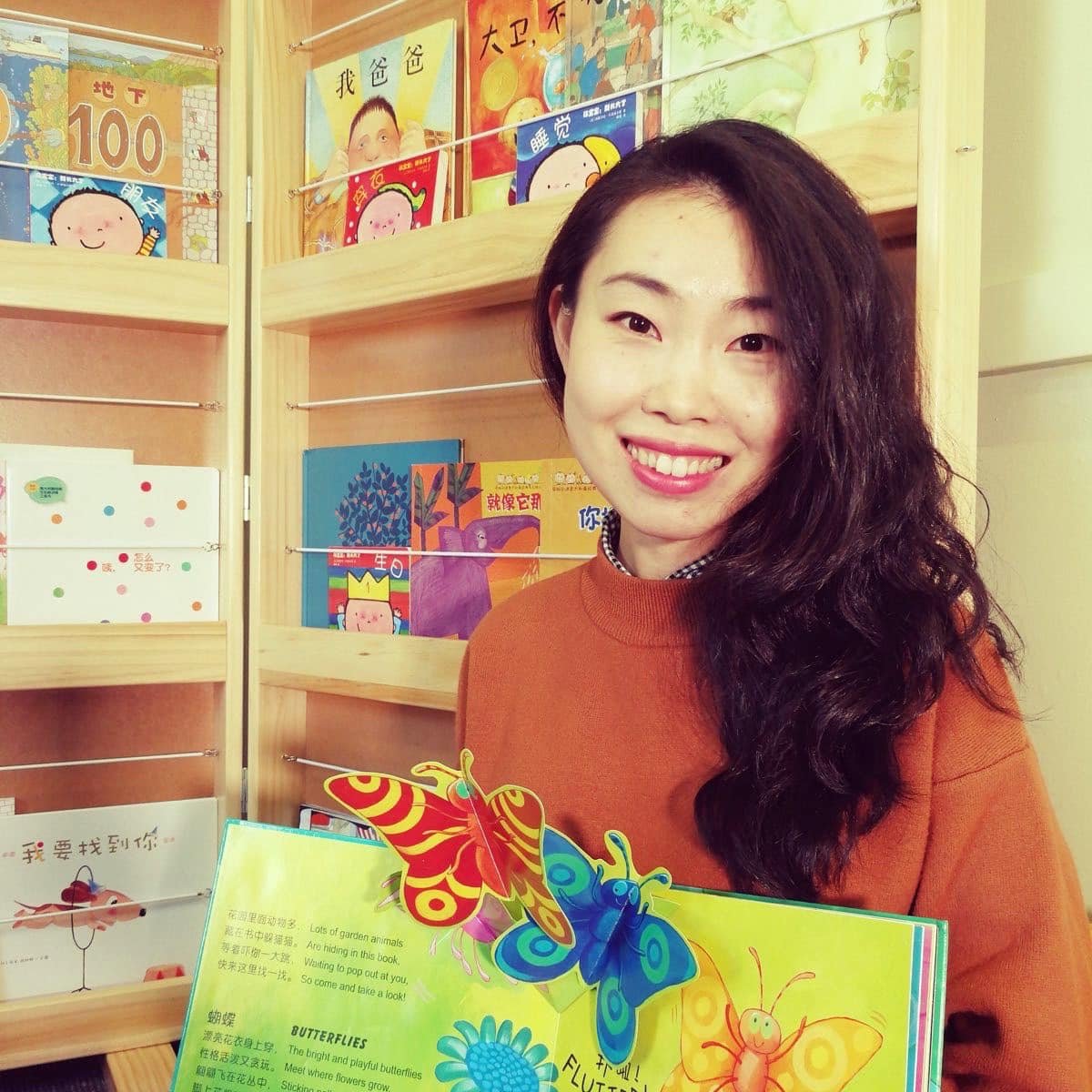
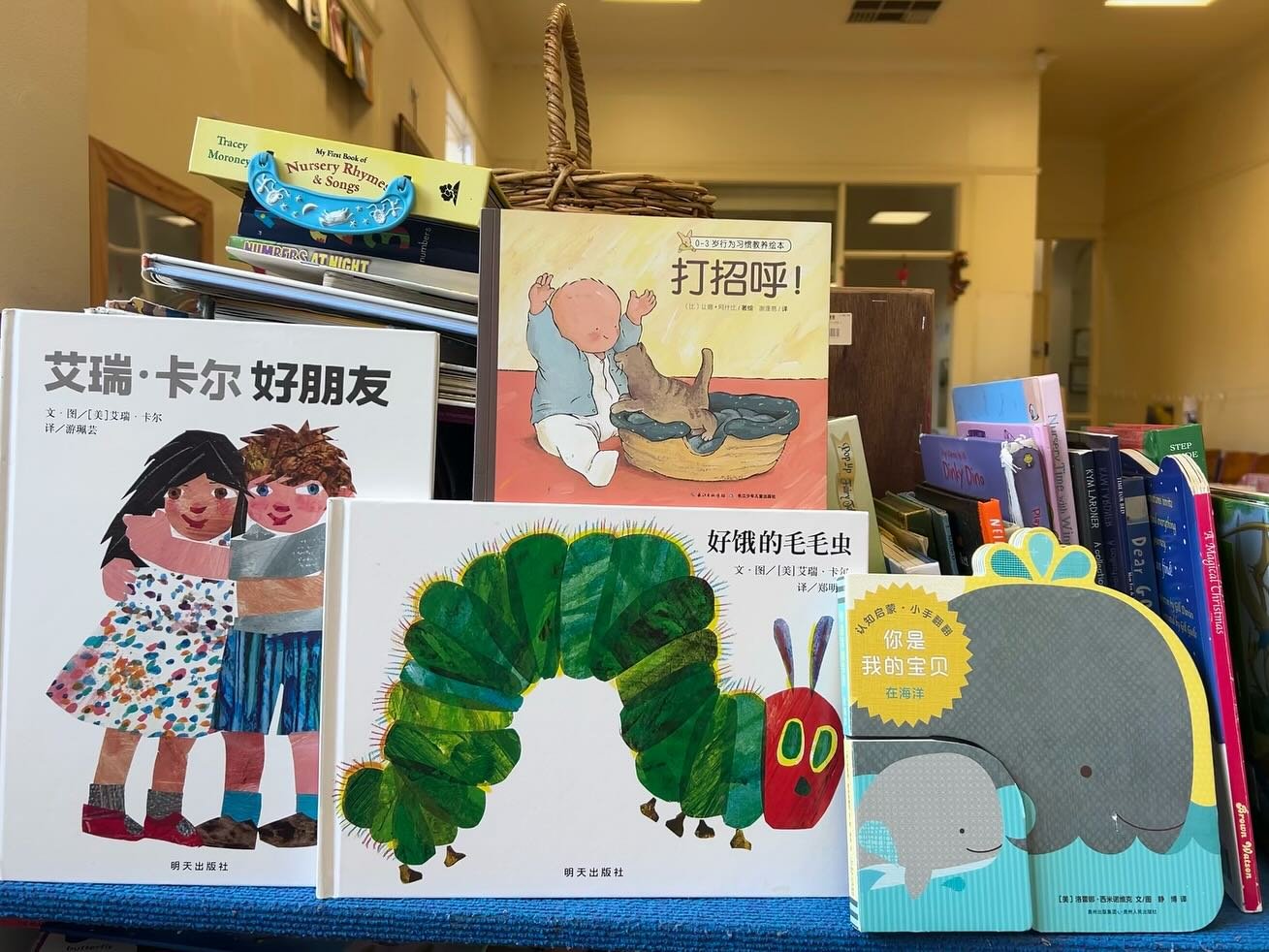
Ultimately, language is a huge part of Chinese culture. Within the playgroup, we read a lot of books together that explore Chinese culture, traditions, values and festivals. A large part of Chinese culture is also about intergenerational connection, with grandparents taking on a large role in the upbringing of their grandchildren.
“Within the playgroup, we have many grandparents coming along to deepen their connection, and their grandchild’s connection, to Chinese culture.”
Jordan:
We see how quickly children pick up new skills and knowledge in the early years. Many children know the Acknowledgement of Country off by heart and are well versed in all the different nursery rhymes. Many children know Auslan signs. How valuable is it to begin to explore different languages and cultures at this age?
The first seven years of a child’s brain development are ideal for rapid language learning, with the quickest natural ability occurring from the ages 0-3. Not only does this ensure an easier, more natural and streamlined approach to becoming bilingual, but the child is much more likely to retain knowledge of the language long-term. In turn, this means the child is likely to sustain an open-minded and accepting attitude toward different languages and cultures throughout their lifetime.
Jessica:
How do the children respond to the stories and songs you share in mandarin at playgroup?
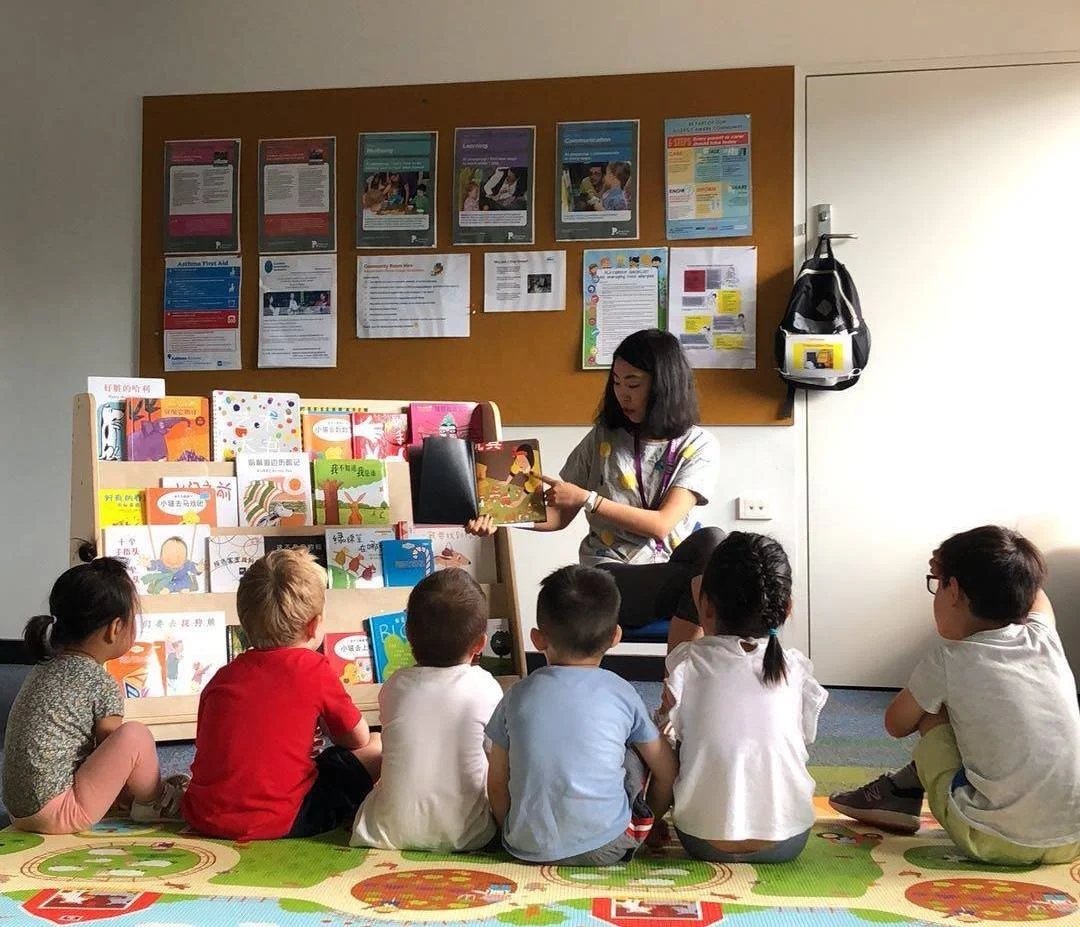
“The children absolutely love it. I also find the group-setting to be helpful because the children can see their culture and language beyond their home and family life. The process combats cultural isolation, showing children that Chinese is spoken by more people than just their parents and grandparents.”
The children also fall in love with the books we read in the playgroup. After having read seven or so books in a session, the children often go home and pretend to read books to themselves. This process of pretending to read a book is a foundational aspect of early literacy.
Jordan:
How do the parents respond to this type of playgroup? Do they enjoy having more opportunities to converse in Mandarin and to celebrate it?
We have a lot of enquiries from people wanting to know more about the playgroup, because having a language specific playgroup is so special. There is a large population of Chinese migrants in the Boroondara Council and this playgroup responds to a need for social and cultural connection.
Jessica:
What is the power of music in language acquisition for young children?
Music introduces the language in both a rhythmic and creative way, which means the children become engaged much more easily. This is true even for the children who initially are not familiar, nor interested in learning Chinese. We have also found that some of the songs are so catchy that the children sing them outside of the playgroup sessions!
Jordan:
An immersive playgroup experience benefits the children in what ways?

The playgroup is immersive in the way that it is engaging for both child and carer, ensuring there is a deep bond developed within the family and toward the community. Children benefit from a sense of belonging, growing into adults that feel secure and a part of the broader community network. This is essential for social cohesion and ensures we live and play within safe, nurturing and inviting neighborhoods.
Jessica:
You were born and educated in China. Mandarin is your first language. What has it been like to engage with two languages while living here in Australia? What impact does it have on your identity and sense of belonging?
“It is fun but can also be very challenging. It feels like you are sort of living between two different cultures, which can cause both internal and external conflicts as I try to navigate within both cultures. However, the process of immigrating to Australia has really shaped me into the person that I am, gradually changing me in so many ways- more than I can speak to.”
What are some of the benefits of being bilingual?
Firstly, a bilingual child can connect with their family much better, especially if their family doesn’t speak English very well.
Secondly, there are a lot of cognitive benefits of learning two languages.
Lastly, I have found that children become a lot more open-minded and respectful of differences. The children tend to be more inclusive of others because they have learnt two different languages and cultures; they are exposed to and learn more about different ways of living.
Melbourne and indeed Victoria is a multicultural celebration of food, music, art, sport, culture. In what ways can playgroups respect and celebrate the beauty of our varied backgrounds, beliefs, values and inspirations?
Our Mandarin playgroup is a great example of this. Whilst we do learn about Chinese traditions, we also include other cultural learnings. For example, we will read books about Australian culture, nature and celebrations, teaching the children about the importance of co-existence.
“We have also remade some popular English songs into Chinese versions. The children have loved them so much that they sometimes sing the Chinese versions at their day-care and teach their friends how to sing them too. This is such a great example of sharing cultures and celebrating Melbourne multiculturalism!”
Jordan:
In what ways does playgroup remove barriers and create opportunities for meaningful connection between people from different cultures?
The playgroup teaches young children about other cultures, whilst engraining their Chinese culture into the sessions.
“The process of learning at a young age about other cultures provides an enduring acceptance and knowledge about being accepting of differences and ultimately develops more open-minded people.”
Jessica
Language immersion creates so many opportunities for kids. What value do you see, introducing a language playgroup in the first five years of life?
Language is an important tool for young children, as it allows them to connect with the world around them and supports healthy cognitive growth. Furthermore, learning the same language as their family enhances the bonding experience, as they can learn and continue passing down cultural heritage.
I have seen the importance of early language education within my community, especially when a child who has not learnt Chinese becomes a teenager. Often, their family will have very limited English which furthers that divide of being able to communicate with one another. Within language, we can effectively communicate our cultural values and explore our cultural identity.
You have studied linguistics. What was that experience like?
I studied Linguistics at university for my undergraduate degree and combined it with Education when I did my master’s degree. I found the process of studying linguistics very easy, which I would equate to my longstanding interest in learning languages.
“As a child, I was very interested in learning languages and I had great experiences of being taught. These experiences lead me to want to reciprocate that positivity to other children, leading me into this career.”
Jordan
When we think about intergenerational links, we often think about grandparents and their relationships with their grandchildren, that are so often shared at playgroup. In what ways do language playgroups help to bring people together through the ages? In what ways do the grandparents and their grandchildren embrace the many activities and celebrations at your playgroup?

Sometimes grandparents have migrated from China with limited English skills, as has been highlighted by Jessica. This means that there is a language barrier for engaging and communicating with members of the community. If the grandchild cannot speak Mandarin, and their grandparent cannot speak English, we cannot expect an easy, fluid communication between the two. This playgroup allows grandparents and grandchildren to learn and grow closer through the tool of the Mandarin language.
Jessica
Jessica, you have been running Mandarin programs for children in the early years for more than 10 years. What have you learned during this time?
Increasingly I am learning the value of children relating to, and connecting with, their cultural background. The first generation of our playgroup children are now finishing primary school, and because they had been immersed within their culture and language early in their lives, they are much more confident and well-rounded people.
When a child whose parents immigrated to Australia from China doesn’t learn to speak Chinese, they tend to not identify as Chinese. This can cause a lack of connection and sense of belonging to their family and cultural heritage. I have seen this as an issue that is relevant to a lot of immigrant families.
How closely do you see language linked to who we are, our identities, cultures, customs and sense of place and belonging?
I view language as a different form of our identity. We express ourselves through our language, whether it be our internal thoughts or external modes of communication.
“Our culture, customs and traditions are both stored and conveyed through our language. If we can speak the language of whatever environment we are within, this provides us with a stronger sense of belonging because we can communicate with and understand those around us.”
This is why children who have learnt Chinese from a young age feel more closely connected to their family. This also encourages a sense of confidence within the child’s family, as they feel more able to securely raise and connect with their child, especially after having migrated from their original country.
Learn More and Join Mandarin Playgroup In Ashburton
Email: communityprograms@craigfc.org.au
Article by Sinead Halliday
Photography by Mylie Nauendorf and Courtesy of Craig Family Centre