
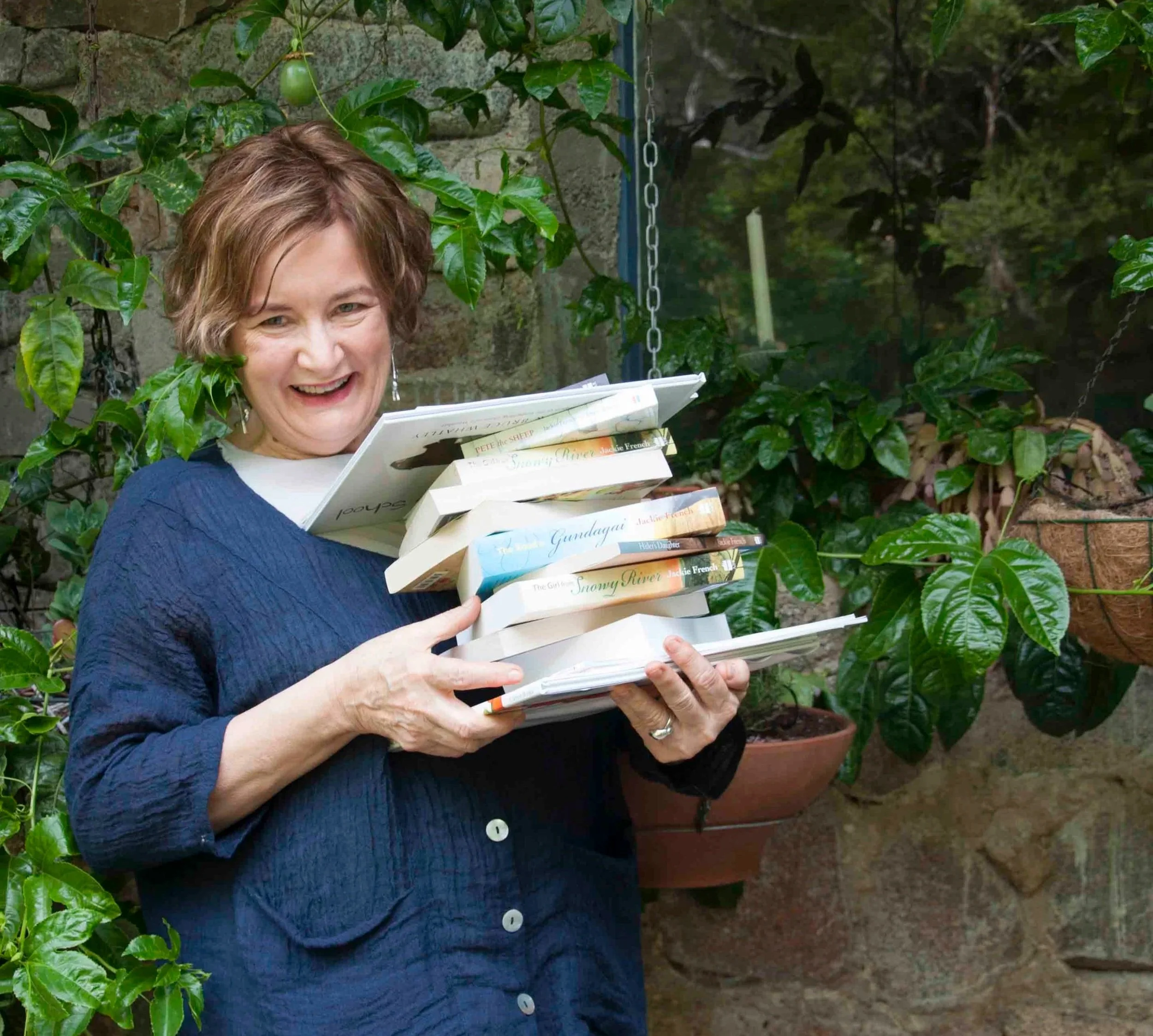
Jackie French said that she does not like to go more than a fortnight away from her home in the Araluen Valley, such is her deeply rooted connection to the land. No two days are the same, as the seasons and elements move through the landscape. Her writing holds sentiments from life there: fragrances, foliage, fires, flourishing fruit, footprints and floods. Her penchant for detail derives too from Jackie’s early experiences and interest in history, which weaves its way through her stories, both real and imagined.
Jackie had a turbulent childhood, which she describes as, “70 per cent boredom, 23 per cent terror and the rest was books and the bush, which more or less saved me.”
The benefit was great freedom- to explore natural spaces, to climb trees, play in creek beds, catch yabbies at the dam.
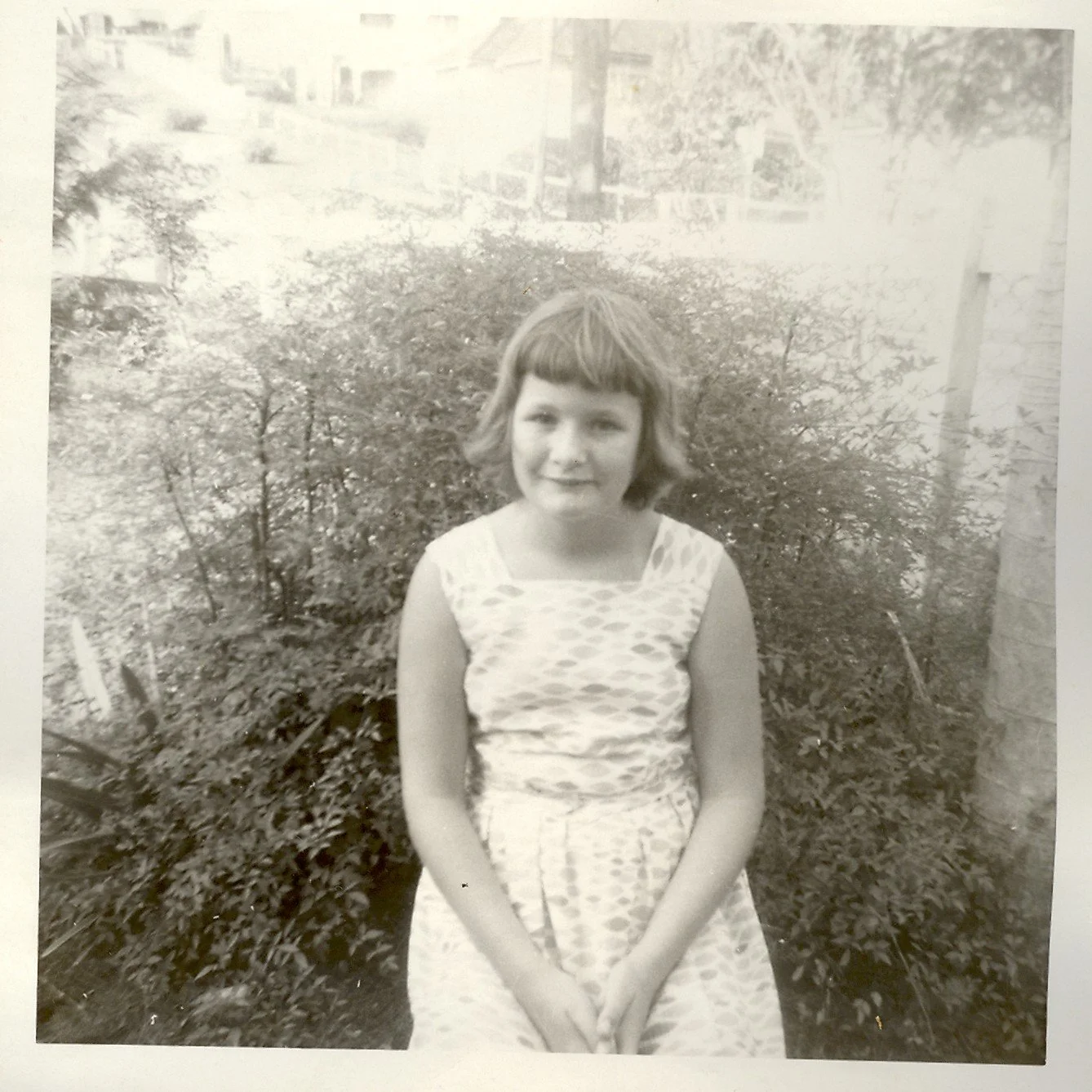
Jackie sourced sanctuary in natural spaces and found wonder and escapism in books.
“I had the most extraordinarily good education for a girl at that time, with teachers who were absolutely passionate about taking kids who wanted more and giving them as much as possible, kids who were absolutely hungry to understand those things.”
From a very young age, Jackie read with enthusiasm and verve.
Jackie remembers one of her early teachers, Miss Davies, was surprised to find her reading Black Beauty after only a month of school. It was extraordinary to be able to read that story at such a young age. Jackie did- and she did it with dyslexia.
“As a young dyslexic, there is no way around it. Your life is going to be very, very hard for the next few years but the other side of the coin is that the difference between being good at something and being brilliant or even a genius is the ability to be incredibly determined to absolutely focus and just to keep going and if something doesn’t work, then you try it another way and if something doesn’t work, you try it again the other way.”
She talks with great admiration for her teachers, particularly one who helped her trace letters, another who gifted her with books.
When asked what she would suggest for others who were experiencing challenges when learning literacy in a prescribed way, Jackie says:
“You’ll always be dyslexic but you have been taught ways to read and write and to just go around that problem- but it does mean you have the advantage that all the kids who found everything so easy don’t have. By the time you are an adult, you will not just be determined, but also you have imagination.”
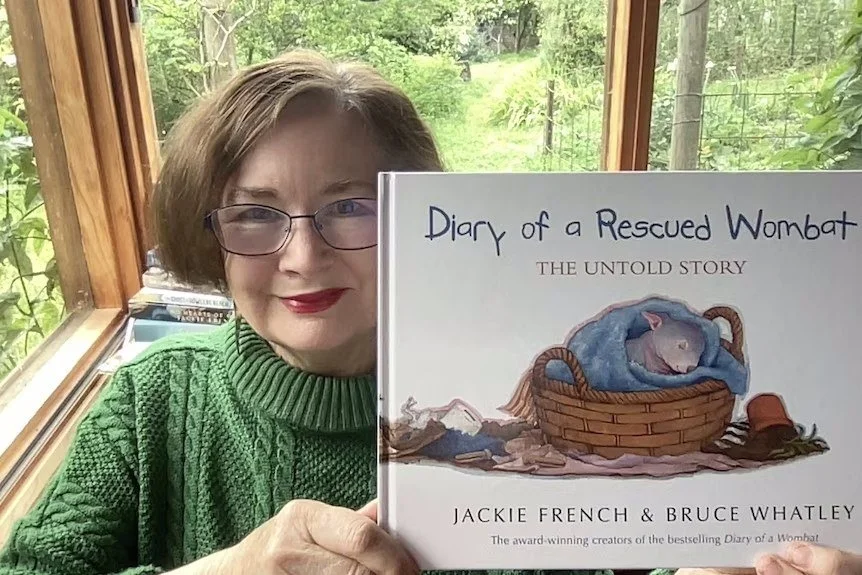
One thing Jackie has never been short of is imagination. She is now the author of some 200 books, with more in the works.
In her early childhood, Jackie learned the tricks of the trade, refining her writing skills with determination. Both of Jackie’s grandmothers encouraged her reading and writing, sending her boxes of books. She also learned to walk in other people’s shoes. Leaving home at a young age made her very aware of the wider world. She met all sorts of characters and had a window of insight into how other people lived. Jackie met remarkable people who opened her eyes to the textures of life, to cultures and sub-cultures, and to the goodness of community.
“It is impossible to survive just by yourself,” says Jackie, “what you need is to have your own square, your own support group- friends, neighbours, community, colleagues. There can be many different kinds of squares but once you are working and linked together, you will not be defeated. You will be impregnable.”
Jackie talks about the importance of people spending extended time together- where conversations are given space to flow and ramble- the type that allows an exchange of substance and moments of deep connection.
Within modern conversations Jackie observes: “So often, conversations are one- or two-word answers.”
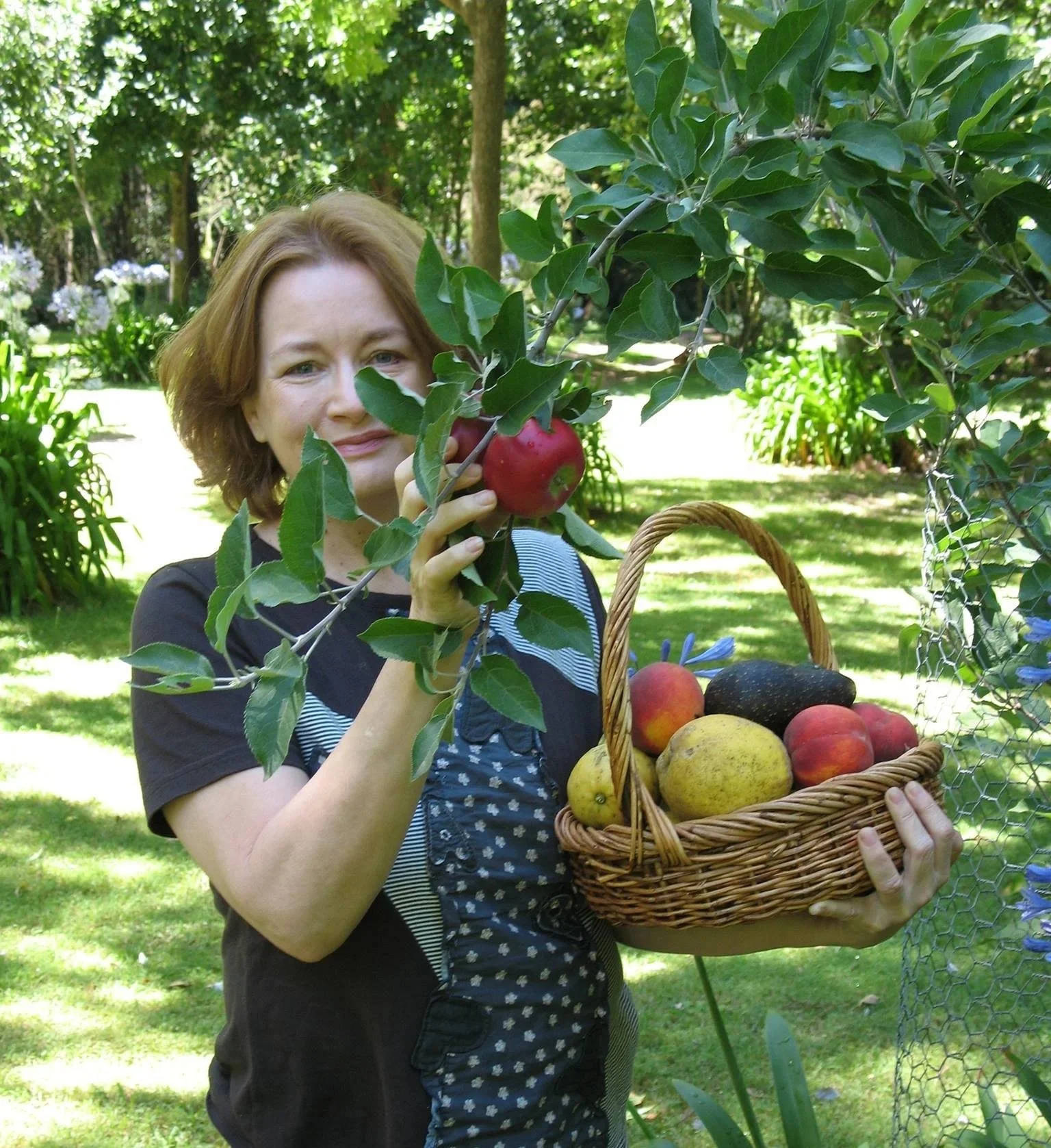
But when people work side by side, creating something or fixing something, the shared activity draws out curiosities and memories- that creates opportunities for more questions and discussion or understanding. Jackie talks of her grandson stacking firewood or cooking in the outdoor oven or building a cubby house: “And that’s what they love doing more than anything else,” she said of her family.
Jackie shares an evocative memory of sitting with her father, on one of her favourite rocks over the dragon pool close to her home- a unique place where rainforests dragons reside. The quiet moment together was profound.
“We just sat there in the silence of the gorge with the sound of the water and the birds and the wallabies peering through the bushes at us.”
They sat there for around two hours, watching the world around them, “the complexities of the bush that you don’t see unless you actually just sit quietly and watch.”
The shared experience was something that connected them to one another- and to the environment that holds so much and gives so much if one is willing to be still with it. The land has for so long been a soothing force for Jackie and she was able to share how special that place was, without needing to explain- but to be part of it.
In a time where so much art is commodified, classified as ‘content’, Jackie keeps close to her roots. She is ever generous with her reading, writing and gardening tips. She has recipes and inspiration on her website and speaks will school groups when she can.
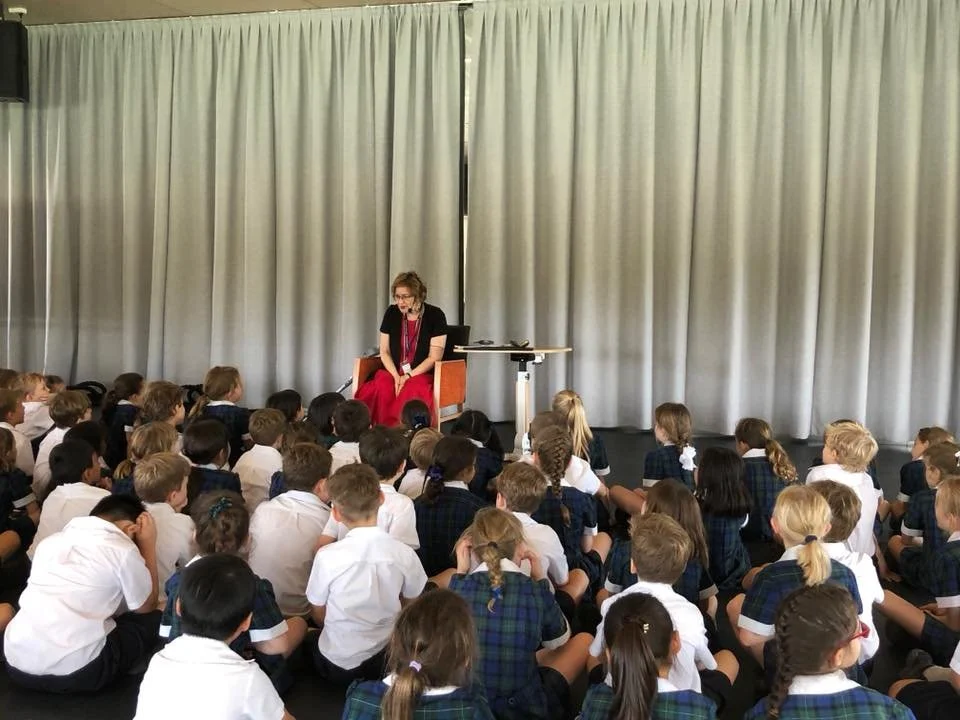
Jackie was named Senior Australian of the year in 2015 and has been a great advocate for literacy, far beyond her role as the Australian Children’s Laureate in 2014-2015.
One astute reflection:
“Google can give you a very nice summary but it can’t give you emotions. It can’t give you a moral context. It can’t give you a social context.”
In a world that moves quickly, Jackie, in her wisdom, steadies herself in those human things: nature, books, cooking, conversation. It seems only natural, yet as time goes on and modern lifestyles become the norm, it is a path less trod.
“I mean, every day, even after 52 years, it is an adventure.”
“There is a bond of something I know well.”
“Coming home is too small a word for it. It was really finding the other 50% of myself, which is this place.”
Hear more of Jackie’s story on the podcast, For the Love of Play.

For the Love of Play Podcast
Listen on Spotify Here
Listen on Apple Play Here
Article by Sinead Halliday
Photography Courtesy of Jackie French