

A consistent finding across Dr Anna Price’s research work, including national survey data, is that financial hardship among families with young children is common and increasing.
“Since the pandemic, around two in five families report struggling to afford essentials such as food, housing, and energy costs.”
Those numbers reflect very real situational stress for families. Anna’s work highlights the consequences of financial strain, with strong links to poorer mental health for parents and carers, which can then affect children.
“What’s important is that these impacts are not inevitable,” said Anna.
It is through local and trusted services such as the Maternal Early Childhood Sustained Home visiting program, playgroups, Child and Family Hubs and other community support services that families can receive practical assistance, in accompaniment with much needed understanding and compassion.

Anna’s mission is to help deliver equitable solutions, that are not dependent on location or the resources of a family. The wellbeing and health of families is at the forefront of mind, knowing that in a country such as Australia, the opportunities are aplenty, it is often a matter of how changes can be implemented to those who need it most.
Ahead of Anna’s eagerly anticipated keynote presentation at the 2026 Playgroup Victoria conference, we caught up with the award-winning leader and health promotion specialist.
Learn more about Anna’s early influences and inspirations and her ongoing work to better outcomes for those bringing up the next generations of children.
What memories do you cherish from your own childhood? What has helped to shape you in a positive way?
I grew up with two scientist parents who valued curiosity and creativity, and who shared paid work and caring responsibilities in a way I didn’t realise was unusual until much later. We talked openly about gender equality, and about education as something that creates freedom and choice, particularly for women.

Those conversations shaped how I think about opportunity and fairness. Looking back, I can see how they influenced my interest in children’s equity and in understanding how social conditions, not individual effort, shape health and wellbeing across the life course. They also underpin my belief that systems matter, and that early, universal supports can change trajectories.
What have you learned about the social determinants of health that affect children’s opportunities during the first years of life?
One of the strongest lessons from my research is how early social conditions affect children, and how tightly they're linked to everyday things like money, housing, and access to services. These factors can influence children’s health, emotional wellbeing and learning long before school begins.
“In Australia, we still tend to separate “social issues” from early childhood services, but families experience them together. This is why universal services like playgroups and Child and Family Health (CFH) services, known as Maternal and Child Health (MCH) in Victoria, are so important. They are often the first point of contact for families, and they provide a trusted, non-stigmatising way to offer connection, support, and early help.”
In what ways can we empower families to achieve health and financial wellbeing

Empowerment begins with listening and recognising families as experts in their own lives. From there, services can make a difference by ensuring support is relevant, easy to access, respectful, and embedded within universal systems.
Beyond income supports, which governments showed can be highly effective during the pandemic, my work focuses on integrating financial and social support into services families already trust. Through programs like Maternal Early Childhood Sustained Home visiting and initiatives like Healthier Wealthier Families, support is offered as a normal part of care. This allows issues to be identified early, when they are easier to address, and helps stop small problems from becoming big ones.
How important is it to talk to parents and children to build understanding at a grassroots level, as opposed to talk about them?

It’s essential, because when families are involved in shaping services and research, the solutions are more relevant and more likely to work. It shouldn't be hard to do but I find that it often is. For example, some of my work at the moment is considering whether it would be useful to have a nationally endorsed framework for CFH/MCH services. Many of these are locally designed and adapted, which is important for meeting community needs - but national endorsement in terms of policy and funding would support more equitable delivery. And as someone originally trained in the 'medical model' which is traditionally hierarchical and with an 'expert' lens, it's one of my development areas - how a family or user can genuinely be at the centre of work that is about them.
In what ways does collaboration create beneficial outcomes for local communities?
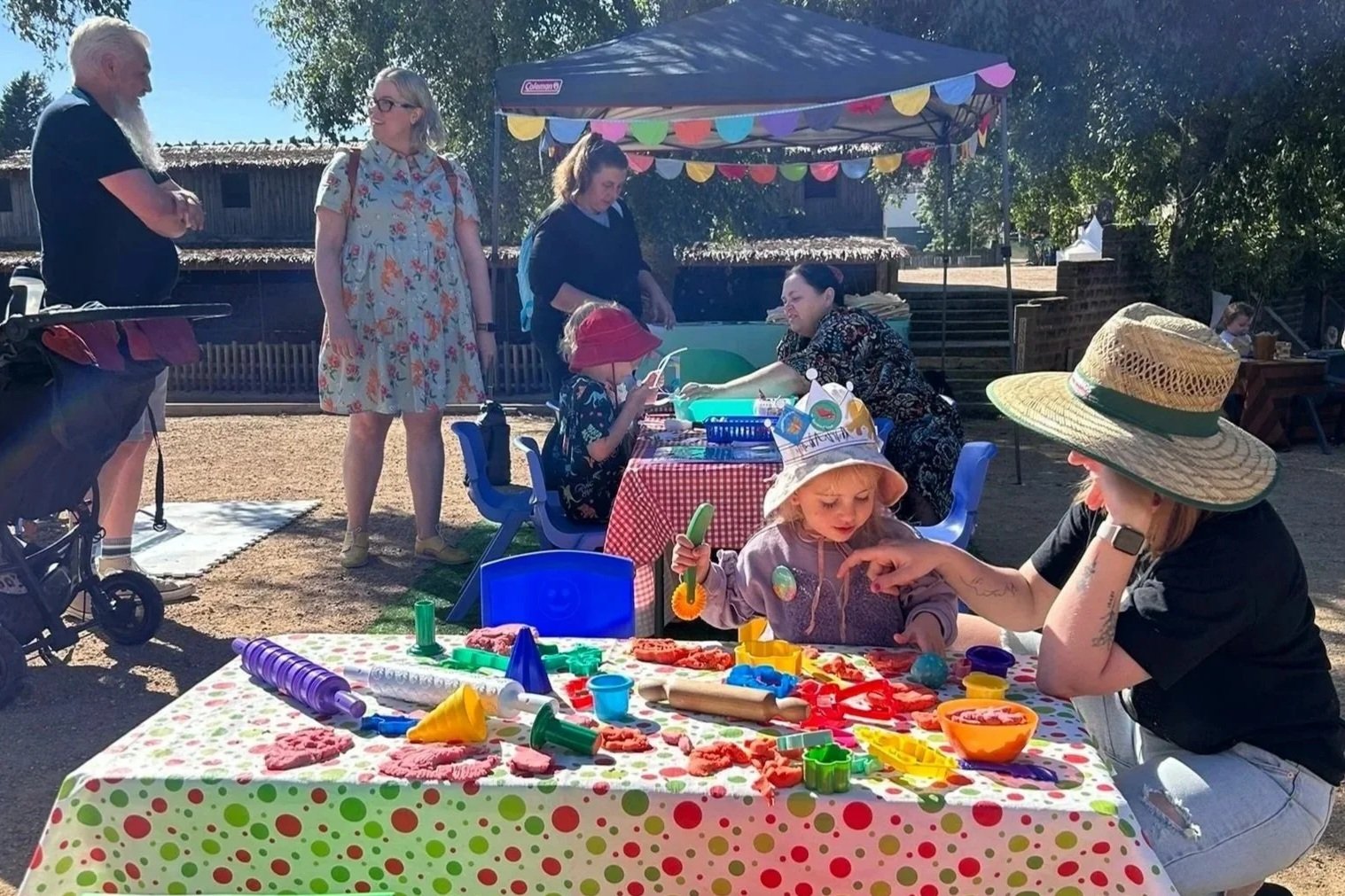
Complex challenges like child health inequities can’t be solved by any one service or sector alone. Collaboration allows communities to bring together different strengths, health, early learning, social services, and families themselves. Through partnerships, we can reduce duplication and confusion, and create more joined-up support for families.
“Playgroups are a wonderful example of this, because they provide connection, belonging, and a platform for other supports to wrap around families in ways that work for them.”
Learn More About Anna’s Work and the Upcoming Playgroup Conference
Article by Sinead Halliday